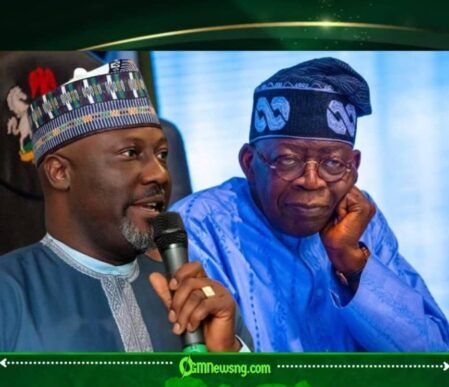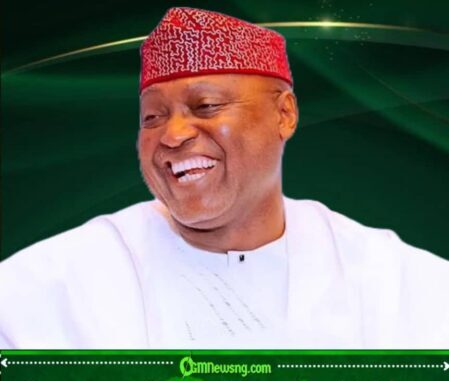
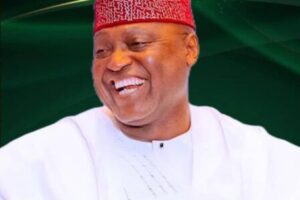
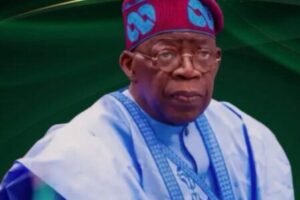


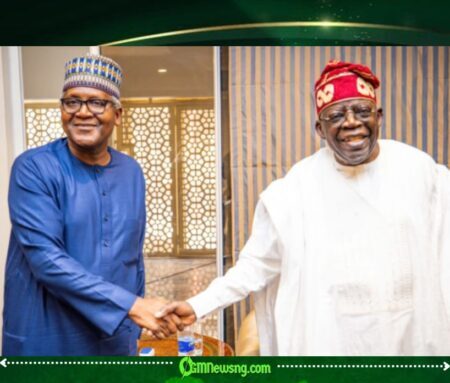
President of the Dangote Group, Aliko Dangote, has expressed deep concern over the escalating conflict in the Middle East, warning that continued instability could intensify economic hardship across Africa. Speaking after a meeting with President Bola Ahmed Tinubu in Lagos, Dangote noted that while Nigeria is not directly involved in the crisis, the interconnected nature of the global economy makes its impact unavoidable.
Dangote explained that fluctuations in global oil prices, driven by geopolitical tensions, would inevitably affect Nigeria’s economy. According to Dangote, prolonged instability could trigger sustained increases in energy costs, placing additional strain on households, businesses, and government finances. He emphasised that Africa’s already fragile fiscal position, characterised by high debt obligations, makes the continent particularly vulnerable to such external shocks.
Dangote further warned that if the conflict is not urgently de-escalated, the consequences could extend beyond fuel prices. He highlighted the cascading effects on daily life, noting that sectors reliant on fuel-powered generators—ranging from small-scale enterprises like barbers and bakeries to large industries—would face rising operational costs, ultimately transferring the burden to consumers.
Pressure on Local Economy and Energy Costs
The ongoing volatility in global oil markets has already begun to manifest in Nigeria through rising petroleum prices. As crude oil costs increase internationally, domestic refiners and marketers have adjusted pump prices accordingly, reflecting broader market realities. This development has added pressure on citizens already contending with inflation and high transportation expenses.
Nigeria’s heavy reliance on petrol and diesel for power generation has further compounded the situation. With persistent electricity supply challenges, businesses depend significantly on alternative energy sources, making them highly sensitive to fuel price fluctuations. The result has been a steady increase in production costs, which businesses often pass on to consumers, thereby deepening the cost-of-living crisis.
Dangote also pointed to global responses to similar crises, noting that some countries have adopted measures such as reduced working days and remote work policies to cut energy consumption. Dangote warned that such adjustments, if replicated widely, could have broader implications for productivity and income levels, particularly in economies where daily earnings are critical for survival.
Dangote Highlights Economic Opportunities from Tinubu’s UK Visit
Despite the concerns over global instability, Dangote commended President Tinubu’s recent state visit to the United Kingdom, describing it as a significant step toward strengthening Nigeria’s economic outlook. He noted that modern diplomacy increasingly hinges on economic partnerships, and the visit has opened new avenues for investment and collaboration.
A key highlight of the visit was the securing of an agreement valued at approximately £746 million, aimed at improving infrastructure, particularly in Nigeria’s ports and related sectors. Dangote described the deal as noteworthy, given the challenges often associated with securing such financial commitments, especially from countries also facing their own economic constraints.
Beyond its monetary value, he stressed that the agreement signals renewed global confidence in Nigeria’s leadership and economic direction. He suggested that this development could encourage further investments from other nations, including Germany and beyond, potentially creating a ripple effect of international partnerships. Dangote also urged Nigerian investors to leverage these opportunities, particularly in accessing global credit facilities to expand their operations.
Table of Contents
Discover more from OGM News NG
Subscribe to get the latest posts sent to your email.