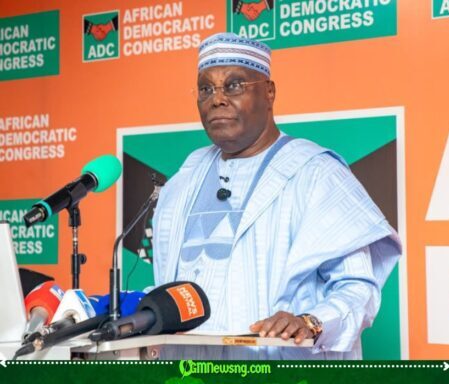







Nigeria’s political discourse has been stirred by fresh criticism from the African Democratic Congress (ADC) over a £746 million port infrastructure agreement signed during President Bola Tinubu’s recent state visit to the United Kingdom. The opposition party has questioned the structure and long-term implications of the deal, alleging that it disproportionately favours British interests while potentially placing a heavy financial burden on Nigeria.
In a statement issued on Sunday by its National Publicity Secretary, Bolaji Abdullahi, the ADC urged the Federal Government to provide full transparency regarding the terms of the agreement. The deal, which targets the rehabilitation of key port facilities in Lagos State, has been presented by officials as a strategic move to boost trade, create jobs, and strengthen bilateral economic ties.
ADC Concerns Over Loan Structure and Economic Balance
The ADC described the agreement as a commercial loan arrangement rather than a straightforward development partnership, arguing that its framework appears skewed in favour of the UK. According to the party, the financing—facilitated through the UK’s export credit system—ensures that a substantial portion of the funds is channelled back to British companies.
Central to the ADC’s concern is the involvement of UK Export Finance (UKEF), which provides guarantees for loans used by foreign governments to procure UK goods and services. The party noted that such arrangements typically require high levels of UK content, thereby limiting the direct economic benefits for Nigeria.
Additionally, the ADC pointed out that at least £236 million in supplier contracts under the agreement are expected to be awarded to British firms. It also referenced a £70 million contract for steel supply, highlighting the significant commercial advantages secured by UK-based companies within the framework of the deal.
Questions on Transparency and Local Impact
The opposition party emphasised that several critical details of the agreement remain undisclosed, raising concerns about accountability and long-term economic impact. Among the unanswered questions are the loan’s interest rates, repayment schedule, and the extent of Nigeria’s financial obligations over time.
Further concerns were raised بشأن local participation in the project. The ADC questioned what proportion of goods and services would be sourced locally, as well as the number of jobs expected to be created for Nigerians. It also called for clarity on provisions for skills transfer, training programmes, and opportunities for small and medium-sized enterprises.
The party stressed the importance of clearly defined limits on expatriate involvement and community benefit obligations. Without such details, it argued, Nigerians may find it difficult to assess whether the project delivers meaningful value to the domestic economy.
Political Reactions and Broader Implications
The ADC’s criticism reflects broader political tensions surrounding major international agreements entered into by the current administration. While the government has framed the port rehabilitation project as a milestone in economic diplomacy, opposition voices have urged caution, particularly in relation to debt sustainability and national interest.
The party further argued that the agreement risks reinforcing existing trade imbalances between Nigeria and the United Kingdom. It suggested that, without adequate safeguards, the deal could deepen Nigeria’s dependence on foreign financing and external contractors.
Calling for openness, the ADC maintained that the Federal Government has a responsibility to disclose all relevant details of the agreement to the public. It concluded that transparency is essential to ensuring that such large-scale infrastructure projects genuinely serve Nigeria’s long-term development goals.
Table of Contents
Discover more from OGM News NG
Subscribe to get the latest posts sent to your email.