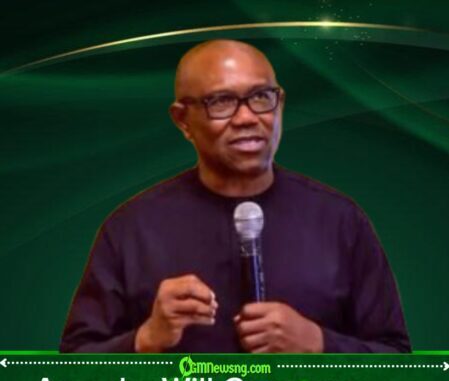





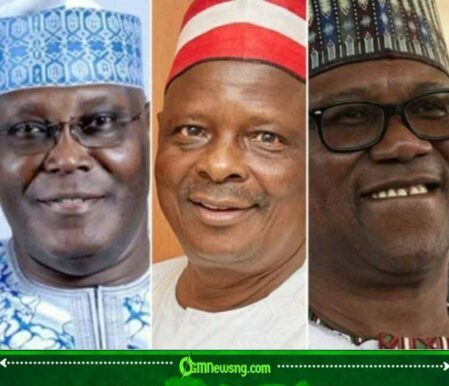
Nigeria’s opposition politicians are once again attempting the difficult art of sitting in the same room, agreeing on the need to agree, and then deciding who should be the person everyone agrees on. A G-100 platform is expected to convene an opposition unity summit in Abuja on August 18, 2026, as parties begin fresh discussions on how to overcome their differences and potentially present a single presidential candidate for the 2027 election.
According to the material supplied to OGM News NG, the G-100 has held consultations with leaders of six opposition parties — the African Democratic Congress (ADC), Allied Peoples Movement (APM), National Democratic Congress (NDC), Peoples Democratic Party (PDP), Peoples Redemption Party (PRP) and Social Democratic Party (SDP). The development comes after opposition leaders agreed in April to work towards a single presidential candidate, although subsequent events have shown that political unity can be considerably easier to announce than to maintain.
One Candidate, Many Ambitions
The Abuja summit is expected to examine the practical questions surrounding opposition cooperation, including how parties can accommodate competing interests, build confidence and eventually agree on a common political platform. The G-100 says its role is to facilitate the conversation rather than dictate the result, a diplomatic position that may become particularly useful when several politicians arrive at the same meeting carrying presidential ambitions in separate suitcases.
The proposed gathering follows the broader Ibadan Declaration, under which opposition parties agreed to work towards fielding one presidential candidate in 2027. That earlier agreement was presented as an attempt to prevent the opposition vote from being divided, but the road to unity has already encountered disagreements, factional disputes and competing political calculations.
Oppositions :Unity Gets Its Biggest Test Yet
The G-100 says the consultations conducted away from the media produced a growing recognition that opposition parties must cooperate if they are to present a credible alternative to Nigerians. It also acknowledged that such cooperation would require sacrifice and compromise — two words that sound harmless in a communiqué but can become considerably heavier when they involve presidential tickets, party structures and political influence.
There is also a practical deadline hanging over the negotiations. INEC’s nomination process has already moved the parties from theoretical discussions into the reality of candidates and running mates being submitted through the commission’s portal. That makes any attempt to create a broader opposition arrangement increasingly complicated, particularly when some parties and factions have already taken different positions on the proposed alliance.
The bigger question is whether the August 18 summit can transform repeated declarations of unity into an actual political structure capable of surviving personal ambitions and party rivalries. Previous developments have demonstrated both the attraction and fragility of the single-candidate idea, with disagreements already threatening sections of the wider opposition coalition.
For now, the opposition appears determined to keep talking — which, in Nigerian politics, is usually the part before the talking about who should be doing the talking. Whether the G-100 summit produces a genuine pathway to a single candidate or simply another impressive communiqué remains to be seen. OGM News NG will continue to monitor the negotiations and bring readers further updates as the 2027 political drama unfolds.
Table of Contents
Discover more from OGM News NG
Subscribe to get the latest posts sent to your email.