









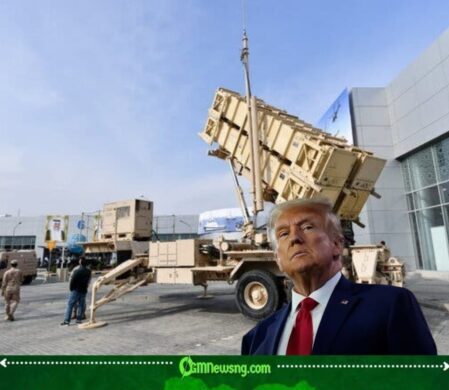
The United States has deployed two additional Patriot missile batteries to Saudi Arabia and Qatar to help protect critical oil and natural-gas facilities, according to U.S. officials and a regional source cited in a report published October 2, 2026. One battery was sent to Saudi Arabia to protect a key oil facility, while another went to Qatar to defend a major natural-gas site.
The move comes as tensions surrounding Iran remain high and concerns grow that any renewed major U.S. military action against Iran could expose Gulf energy infrastructure to retaliation. The United States is therefore adding another layer of protection around facilities that are important not only to the region but also to global energy markets.
United States Reinforces Gulf Defenses
The United States has reportedly positioned the Patriot systems as a reassurance measure for Saudi Arabia and Qatar, both important U.S. partners in the region. The deployments come against a backdrop of increased military activity and concerns over possible attacks on oil and gas infrastructure if fighting with Iran intensifies.
The move is hardly the sort of neighborhood security arrangement where someone simply installs a new gate and calls it a day. This time, the United States has brought sophisticated air-defense equipment, because apparently the new definition of “protecting the neighborhood” now includes intercepting missiles before they reach the fuel supply.
United States Puts Energy Security Under the Missile Shield
The decision also highlights the strategic importance of Saudi and Qatari energy facilities. Earlier in 2026, Washington approved major Patriot-related sales for both countries: Saudi Arabia was approved for a possible $9 billion sale involving 730 PAC-3 MSE missiles, while Qatar received approval for a $4.01 billion Patriot replenishment package.
The United States is therefore not simply moving hardware around the region; it is responding to a wider security environment in which energy infrastructure has become an increasingly important concern. U.S. Central Command has also described efforts to strengthen integrated air-defense cooperation with Patriot-equipped partners, including through coordination in Qatar.
For now, the Patriot batteries are becoming an additional shield around Gulf energy infrastructure while governments watch developments involving Iran. Whether the deployments remain precautionary or become part of a larger regional military posture will depend on what happens next. OGM News NG will continue watching the situation and bringing readers further updates as this developing story unfolds.
Table of Contents
Discover more from OGM News NG
Subscribe to get the latest posts sent to your email.