






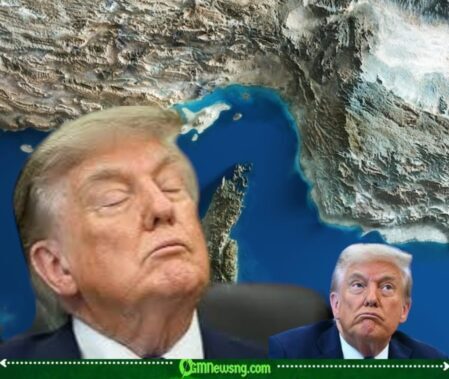
President Donald J. Trump has once again placed America’s international partners under the financial spotlight, insisting that other countries should bear the full cost of US military operations aimed at keeping the strategically important Strait of Hormuz open. The president’s position raises fresh questions about international security, military spending and whether protecting one of the world’s busiest energy corridors should become a shared responsibility or an expensive service with Washington collecting the bill. In Trump’s calculation, countries that benefit from the security provided by American military power should not expect the United States to carry the financial burden alone. Apparently, global security is important, but somebody still has to settle the invoice.
Trump Turns Maritime Security into a Question of Who Pays
Trump’s position reflects his longstanding criticism of America’s financial commitments to international security arrangements. He has repeatedly argued that wealthy allies and countries benefiting from American military protection should contribute more rather than allowing Washington to shoulder the expenses. In March 2026, he called on countries dependent on oil shipments through the Strait of Hormuz to take responsibility for securing the passage, while promising substantial American assistance. By July, he was openly discussing reimbursement for US operations and even proposing a payment arrangement tied to cargo passing through the waterway.
For Trump, the argument appears straightforward: if countries depend on the uninterrupted movement of oil through the strait, they should contribute financially towards protecting it. However, the proposal introduces an uncomfortable question for international partners: does benefiting from American military protection automatically create an obligation to finance the operation? While the president sees this as fairness, other governments may see it as another complicated diplomatic bill arriving at a time when regional tensions are already placing enormous pressure on their economies.
A Strategic Waterway, A Multibillion-Dollar Military Bill
The Strait of Hormuz is one of the world’s most important maritime energy routes, connecting the Persian Gulf with international shipping lanes. Approximately one-fifth of global oil supply normally passes through the narrow waterway, making any disruption a serious concern for energy-importing countries. The ongoing conflict involving the United States, Israel and Iran has intensified the security crisis, disrupted commercial shipping and raised concerns about the wider economic consequences.
The financial implications are equally significant. According to an October 2026 report by ABC News, Pentagon estimates placed the cost of the US war with Iran at approximately $47.1 billion through mid-October, including billions spent on military operations and ammunition. Against this background, Trump’s demand for other countries to cover the full cost of protecting the waterway takes on greater significance. Nevertheless, the president has not established a universally agreed payment arrangement or publicly demonstrated how the entire financial burden would be divided among individual countries.
Trump’s position also faces a diplomatic challenge. Earlier in March, several American allies, including Germany, Spain and Italy, rejected immediate participation in a proposed military effort to secure the strait, while others expressed reservations. Meanwhile, developments reported on November 8 indicate that shipping-related tensions remain unresolved, with fresh reports of attacks on vessels and continued US-Iran negotiations. The situation suggests that securing the passage is not simply a matter of sending military ships into the region; it also involves complicated political negotiations, international cooperation and enormous financial commitments.
Ultimately, Trump’s demand raises an important question about the future of international security: should the countries benefiting most from a protected shipping corridor pay the entire cost of keeping it open, or should the responsibility remain shared among the international community? Whatever the answer, the president appears determined to ensure that America’s military operations do not become another international expense financed exclusively by American taxpayers. Whether other governments will accept his proposed arrangement remains uncertain. Stay with OGM News NG for further updates as this developing international story unfolds.
Table of Contents
Discover more from OGM News NG
Subscribe to get the latest posts sent to your email.