







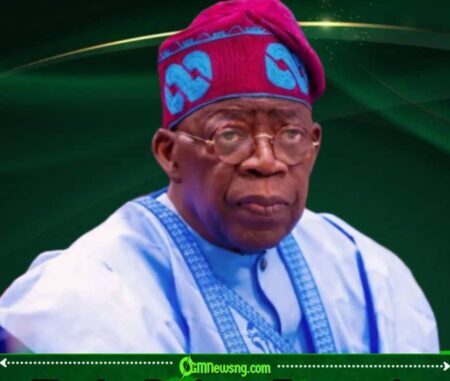
President, Bola Ahmed Tinubu, has outlined a forward-looking economic agenda beyond 2027, assuring global investors of continued fiscal discipline, transparency, and policy consistency. Speaking during high-level engagements with international stakeholders, the President emphasized his administration’s commitment to sustaining reforms aimed at stabilizing and transforming Africa’s largest economy.
The announcement comes amid renewed investor interest in Nigeria, with several global partners expressing optimism about ongoing structural reforms. Government officials, including tax reform advocate Taiwo Oyedele, reinforced the administration’s focus on building a resilient and investor-friendly economic environment.
Tinubu Commitment to Fiscal Discipline and Policy Stability
President Tinubu stressed that fiscal discipline would remain central to Nigeria’s economic strategy beyond his current tenure. He noted that prudent management of public finances, reduction in wasteful spending, and improved revenue generation mechanisms are key pillars of the government’s long-term plan.
According to the President, policy consistency is critical to restoring investor confidence. He assured stakeholders that Nigeria would avoid abrupt policy reversals that have historically created uncertainty in the business environment. Instead, reforms would be sustained and strengthened to ensure long-term economic stability.
Analysts note that this commitment signals a deliberate shift toward predictable governance, which is often cited by investors as a major factor in decision-making. By prioritizing stability, the administration aims to position Nigeria as a reliable destination for foreign direct investment.
Investor Confidence Grows Amid Reform Efforts
Global investors have responded positively to the administration’s reform of Tinubu agenda, describing recent policy changes as transformative. Key areas of reform include exchange rate unification, subsidy removal, and efforts to streamline tax administration.
During discussions with government representatives, investors highlighted improvements in transparency and regulatory clarity. They expressed confidence that ongoing reforms could unlock new opportunities across sectors such as energy, infrastructure, and technology.
Economic experts believe that sustained engagement with the international investment community will be crucial. By maintaining open communication channels and demonstrating measurable progress, Nigeria can further strengthen its credibility on the global stage.
Tax Reforms and Structural Adjustments Take Center Stage
A significant component of the government’s agenda is comprehensive tax reform. Taiwo Oyedele, who has been instrumental in shaping fiscal policy discussions, emphasized the need for a simplified and efficient tax system that supports business growth while boosting government revenue.
Base on Tinubu’s Agenda He noted that reforms are designed to broaden the tax base, reduce compliance burdens, and eliminate inefficiencies. These measures are expected to enhance revenue without overburdening citizens and businesses, thereby fostering a more inclusive economic environment.
Beyond taxation, structural adjustments across key sectors are being implemented to drive productivity and competitiveness. The government aims to build a diversified economy that is less dependent on oil revenues and more resilient to external shocks.
President Tinubu’s post-2027 economic vision reflects a strategic effort to reassure investors and sustain Nigeria’s reform momentum. By focusing on fiscal discipline, policy consistency, and structural transformation, the administration seeks to create a stable and prosperous economic future.
Table of Contents
Discover more from OGM News NG
Subscribe to get the latest posts sent to your email.