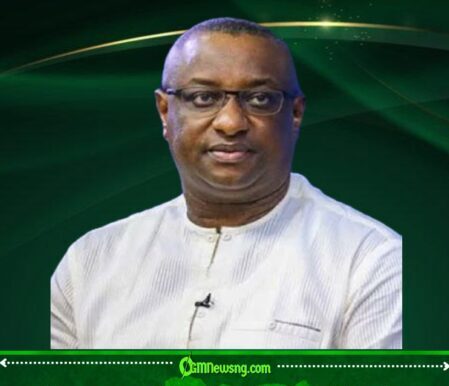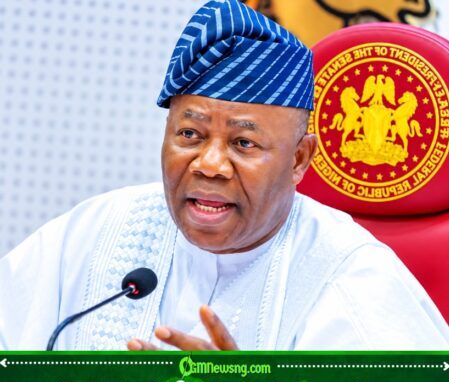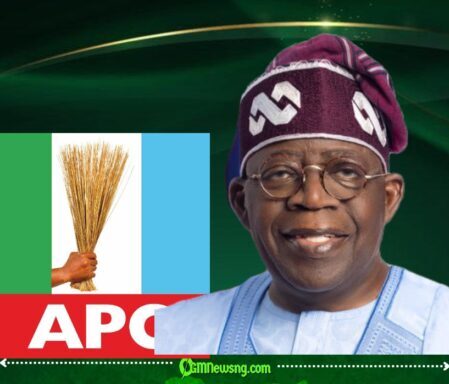


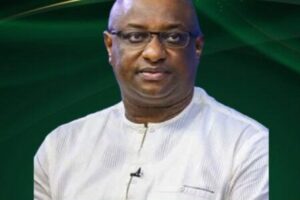

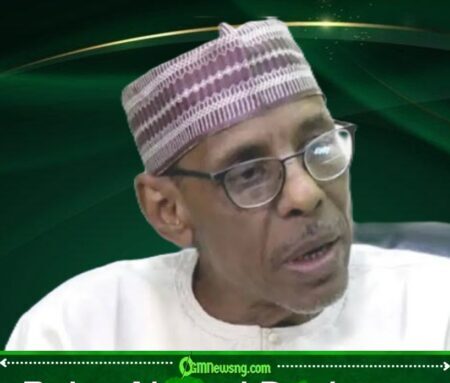
Tinubu has become the center of another fierce political confrontation after Peoples Redemption Party National Chairman Hakeem Baba-Ahmed declared openly that removing the current president from office in the 2027 general election has become a major political objective for his party and like-minded opposition figures. His remarks, delivered during a televised political programme, immediately intensified national conversations surrounding economic hardship, insecurity, and the growing frustration among many Nigerians over living conditions.
Baba-Ahmed accused the Tinubu administration of worsening suffering across the country, claiming that insecurity and economic instability have pushed millions into deeper hardship. According to him, Nigerians are increasingly unhappy with the direction of governance under the APC-led administration. He argued that opposition parties now have a responsibility to put aside internal rivalries and unite behind a broader political movement capable of challenging the ruling party in the next election cycle.
The PRP chairman also suggested that public dissatisfaction itself has already weakened the government politically, stating that “half the work” of defeating Tinubu may already have been done by prevailing national conditions. He maintained that only a coordinated alliance among opposition forces can successfully capitalize on public frustration ahead of 2027. His comments are already being interpreted by political observers as an early signal that coalition discussions may quietly intensify in the coming months.
While criticism of sitting governments is common in Nigeria’s political environment, the unusually direct nature of Baba-Ahmed’s remarks reflects the increasingly aggressive tone that may define future opposition campaigns. The comments also arrive at a time when economic reforms introduced by the Tinubu administration, including fuel subsidy removal and currency policy changes, continue generating mixed reactions across the country.
Tinubu Faces Fresh Criticism Over Economy and Security Concerns
Tinubu’s government has repeatedly defended its economic reforms, arguing that painful short-term sacrifices are necessary to stabilize Nigeria’s economy and reduce long-standing structural problems. Since assuming office in 2023, the administration has promoted subsidy removal, foreign exchange reforms, and fiscal restructuring as essential measures designed to attract investment and improve long-term economic sustainability. Government officials have also argued that previous administrations delayed difficult decisions that eventually became unavoidable.
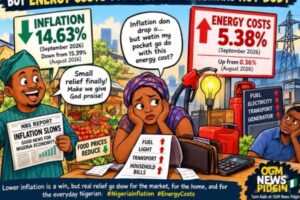
However, rising inflation, increased transportation costs, food price surges, and pressure on household incomes have fueled criticism from opposition politicians, labor unions, and civil society groups. Several protests and public demonstrations linked to economic hardship have emerged across parts of the country within the past two years, reflecting widespread anxiety among ordinary citizens struggling with rising costs of living.
Political analysts believe the opposition’s biggest challenge ahead of 2027 may not simply be criticizing Tinubu, but overcoming internal divisions that historically weaken coalition efforts in Nigeria. Baba-Ahmed himself acknowledged this reality during his remarks, warning that personal ambition and political quarrels could undermine any serious attempt to build a united front against the APC. Similar coalition conversations emerged before previous elections but often collapsed over disagreements involving leadership, zoning arrangements, and power-sharing negotiations.
There is also growing attention on how younger voters and economically frustrated citizens may influence future political campaigns. Social media discussions increasingly show impatience toward both ruling and opposition politicians, with many Nigerians demanding practical solutions rather than familiar political rhetoric. In some corners, satire and public mockery have become tools citizens use to express anger over governance failures and economic hardship.
As the road toward 2027 gradually begins to take shape, Tinubu is expected to face stronger scrutiny from opposition parties seeking to convert public frustration into electoral momentum. Whether the opposition can genuinely unite remains uncertain, but Baba-Ahmed’s comments have already ensured that conversations about Nigeria’s next presidential election have started much earlier than many expected. OGM News Nigeria will continue monitoring reactions, coalition movements, and policy debates likely to shape the country’s political future.
Table of Contents
Discover more from OGM News NG
Subscribe to get the latest posts sent to your email.