




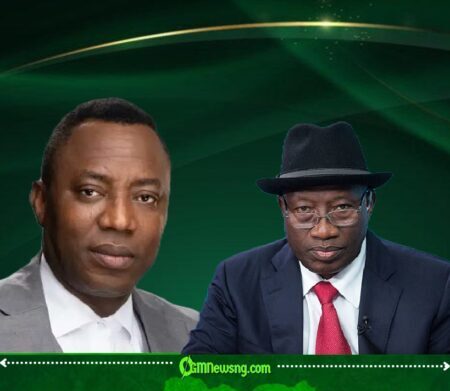
Omoyele Sowore criticized Nigerians calling for former President Goodluck Jonathan to return to active electoral politics. Sowore argued that Jonathan and other former Nigerian presidents are fundamentally “the same,” insisting the real difference lies with citizens who repeatedly place hope in familiar political figures despite years of disappointment.
The comments emerged amid growing speculation and online conversations surrounding Jonathan’s possible involvement in future elections or broader political influence ahead of 2027. Supporters of the former president frequently cite his peaceful concession of defeat during the 2015 election as evidence of democratic maturity, while critics argue that many of Nigeria’s longstanding economic and governance problems remained unresolved during his administration.
Sowore’s remarks immediately triggered strong reactions across political circles and social media platforms. Some Nigerians defended Jonathan as one of the country’s more tolerant and democratic former leaders, especially compared with more confrontational political eras. Others agreed with Sowore’s criticism, arguing that Nigeria’s political culture remains trapped in a cycle of recycling the same elite figures under different campaign slogans.
Sowore’s Criticism Reflects Wider Frustration With Political Establishment
Sowore has long positioned himself as a vocal critic of Nigeria’s traditional political class, consistently arguing that meaningful national change requires dismantling entrenched political structures rather than rotating familiar names through public office.
Analysts say his latest comments reflect broader frustration among younger Nigerians who feel increasingly disconnected from the country’s dominant political establishment.
Jonathan, despite leaving office more than a decade ago, still maintains a notable level of political goodwill among some Nigerians who view his administration more favorably in hindsight. Economic challenges, insecurity concerns, and dissatisfaction with later governments have contributed to renewed nostalgia surrounding his presidency in certain political conversations.
However, critics insist nostalgia often ignores unresolved issues that existed during his tenure, including corruption allegations, security crises, and governance criticisms.
Political observers also note that discussions surrounding Jonathan’s possible return highlight a recurring pattern in Nigerian politics where former leaders periodically re-emerge during moments of public dissatisfaction with current leadership. Similar dynamics have shaped previous election cycles, with voters sometimes viewing past administrations more positively after comparing them with present difficulties.
Meanwhile, social media transformed the controversy into another nationwide political spectacle. Users joked that Nigerian elections increasingly resemble “old cast reunion specials,” while others sarcastically questioned whether the country plans to keep rotating the same political figures until “someone finally remembers where they left the national progress.”
As debates continue ahead of future elections, Sowore’s comments have reignited difficult questions about political memory, voter expectations, and whether Nigeria’s democratic system genuinely creates opportunities for new leadership to emerge. Whether the Jonathan Debate fades quietly or grows into a larger national conversation about political recycling and reform, OGM News will continue tracking reactions from across Nigeria’s evolving political landscape.
Table of Contents
Discover more from OGM News NG
Subscribe to get the latest posts sent to your email.