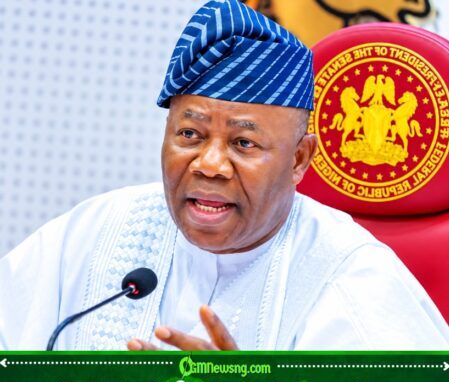









Nigeria’s insecurity debate intensified after controversial Islamic cleric Sheikh Ahmad Gumi warned that deeper U.S. involvement in the country’s security operations could attract foreign terrorist organizations and internationalize the nation’s already fragile conflict landscape. The statement has triggered fierce public debate over whether international partnerships are necessary to combat terrorism or whether they risk transforming Nigeria into another geopolitical battleground in Africa’s expanding security crisis.
Sheikh Gumi Says Foreign Powers Could Exploit Nigeria’s Insecurity Crisis
Sheikh Gumi’s remarks centered on fears that increased American participation in Nigeria’s security affairs could escalate local insurgencies into conflicts with broader international dimensions. According to the cleric, extremist groups from outside Nigeria may become more interested in operating within the country once it is perceived as a frontline arena involving Western powers. His comments reflect long-standing concerns among some political and religious figures who believe foreign military footprints often create unintended consequences in unstable regions.
Nigeria has battled insecurity for over a decade, particularly in the northeast where insurgent groups such as Boko Haram and Islamic State West Africa Province have carried out deadly attacks against civilians and security personnel. Beyond insurgency, banditry, mass kidnappings, and communal violence have spread into several northern and central states, placing enormous pressure on security agencies. The persistence of these attacks has fueled frustration among citizens demanding stronger action from the government, including intelligence cooperation with foreign allies.
Sheikh Gumi Warns Nigeria May Become Global Terror Battlefield if U.S. Steps In
The debate surrounding U.S. involvement comes at a time when international attention on West Africa’s security crisis continues to grow. Several countries within the Sahel region, including Mali, Burkina Faso, and Niger, have experienced military coups and worsening extremist violence despite years of foreign military assistance. Critics of external intervention frequently point to Libya’s post-2011 instability and Afghanistan’s prolonged conflict as examples of how international operations can produce consequences that outlive their original objectives.
Security experts, however, argue that modern terrorism operates across borders and increasingly relies on transnational financing, weapons trafficking, and online recruitment networks. From that perspective, intelligence-sharing partnerships with countries such as the United States may help Nigeria strengthen surveillance, counterterrorism coordination, and military training. Analysts also note that Nigeria already cooperates with several international partners on intelligence and defense matters, though public skepticism remains high whenever discussions of deeper foreign involvement emerge.
As insecurity continues to shape public discourse ahead of future political and security reforms, Gumi’s warning has added another sensitive layer to the national conversation. Whether viewed as cautionary realism or controversial exaggeration, the remarks underline a growing anxiety among Nigerians about how the country can confront violent extremism without becoming trapped in larger international power struggles. OGM News Nigeria will continue monitoring reactions from security authorities, international partners, and regional analysts as debates over U.S. involvement and insecurity evolve.
Table of Contents
Discover more from OGM News NG
Subscribe to get the latest posts sent to your email.