








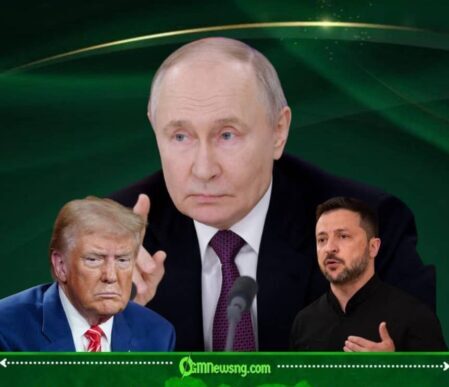
President Trump has turned to Russian President Vladimir Putin for a diesel supply deal after Ukrainian President Volodymyr Zelensky reportedly ignored six U.S. requests to halt attacks on Russian oil refineries, according to an account attributed to a U.S. official familiar with the discussions. The development, reported on October 10, 2026, has opened another chapter in the complicated relationship between Washington and Kyiv, with fuel prices, wartime strategy, and diplomatic trust all competing for attention. The unexpected twist? A president seeking cheaper fuel for Americans is now looking to Russia, the very country Washington has spent years pressuring over its invasion of Ukraine.
President Trump Puts Diesel Before Diplomatic Comfort
President Trump has argued that Ukrainian strikes on Russian refineries are worsening the diesel shortage and pushing fuel prices higher. According to recent reporting, the U.S. president decided to pursue a supply arrangement with Putin after repeated American appeals for Kyiv to stop targeting Russian oil facilities reportedly went unanswered. The agreement is expected to allow Russia to supply substantial quantities of diesel to the United States, while Washington eases relevant sanctions to facilitate the shipments. The move represents a striking shift in policy toward Moscow and has raised questions about the balance between American economic interests and continued support for Ukraine.
For President Trump, the political calculation appears straightforward: Americans need fuel, and fuel prices do not care how complicated international friendships become. But the diplomatic optics are considerably less straightforward. Imagine spending years telling a neighbour to stop causing trouble, only to discover that you now need to buy the neighbour’s supplies to keep your own household running. In Washington’s latest geopolitical drama, the fuel pump has apparently secured a seat at the negotiating table—and it may be getting more attention than the diplomats.
President Trump Faces Zelensky’s Anger as Russia Gains an Opening
President Trump’s diesel arrangement has drawn sharp criticism from Zelensky, who argues that easing restrictions on Russian petroleum sales risks providing Moscow with additional resources to continue its war against Ukraine. Zelensky has described the decision as a mistake and maintained that any halt to Ukrainian attacks on Russian refineries should be matched by Russia stopping its strikes on Ukrainian energy infrastructure. The disagreement exposes a fundamental divide: Washington is concerned about fuel supplies and prices, while Kyiv views Russian energy revenues and infrastructure as integral to Moscow’s ability to sustain the invasion.
The controversy also leaves President Trump navigating an awkward diplomatic balancing act. His administration wants to ease pressure on American consumers while continuing to pursue a settlement to the war, yet the diesel deal risks deepening mistrust between Washington and Kyiv. Satirically speaking, the peace process now appears to have a fuel gauge, a price tag, and a diplomatic warning light flashing simultaneously. Whether the arrangement lowers prices enough to justify its political cost remains an open question, and Putin may have secured an economic opportunity while the parties continue arguing over the terms of peace.
President Trump’s Russian diesel arrangement has therefore become more than a fuel story: it is a test of American foreign policy, the future of U.S.-Ukraine relations, and the price Washington is willing to pay for energy security. With Zelensky objecting, Moscow poised to benefit from renewed sales, and the wider war still unresolved, readers should watch for further developments. OGM News NG will continue following the story and bringing readers updates as more verified details emerge.
Table of Contents
Discover more from OGM News NG
Subscribe to get the latest posts sent to your email.