







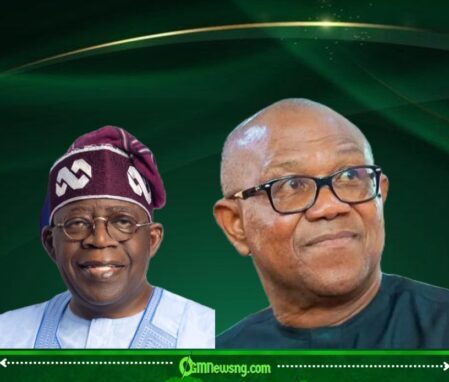
Resignation politics returned to the national conversation on Monday after the Presidency strongly rejected Peter Obi’s demand that President Bola Tinubu step down from office. The response, unusually sharp in tone, described Obi’s position as “childish, hollow and an unworthy distraction,” while accusing the former Anambra governor of attempting to undermine the legitimacy of the administration ahead of the 2027 presidential election.
The exchange has once again highlighted the widening political divide in Nigeria, where government officials point to economic indicators and reforms as evidence of progress, while critics insist that everyday realities tell a different story. The controversy also reveals how global political events can quickly become ammunition in Nigeria’s domestic political battlefield.
Presidency Says Nigeria’s Progress Contradicts Obi’s Claims
The Presidency argued that Obi’s comparison between Nigeria and the United Kingdom was constitutionally flawed because Britain operates a parliamentary system while Nigeria elects its president for a fixed term. Officials maintained that a resignation by a British prime minister cannot automatically become a template for Nigeria’s democratic practice.
In defending President Tinubu’s record, the Presidency cited improvements in security operations, increased oil production, higher government revenues, growing foreign reserves and the absence of prolonged university strikes in the past three years. It also rejected claims that the President promised Nigerians uninterrupted electricity within a short period, insisting that his comments during the campaign had been repeatedly misrepresented.
Presidency Accuses Obi of Distorting Facts to Undermine Tinubu
The Resignation debate comes at a time when Nigeria’s economic indicators are showing signs of improvement, at least on paper. Recent figures from the Central Bank indicate that the country’s external reserves have risen above $50 billion, reaching levels not seen in more than a decade and reflecting increased foreign exchange inflows and stronger investor confidence.
Meanwhile, the political event that inspired Obi’s comments was itself rooted in Britain’s own internal struggles. British Prime Minister Keir Starmer announced his resignation following mounting political pressure, internal party disagreements and declining public support, setting off a leadership transition within the governing Labour Party. The circumstances surrounding Starmer’s departure differ significantly from Nigeria’s constitutional arrangement, a distinction repeatedly emphasized by the Nigerian Presidency.
As the Resignation controversy continues to dominate political discussions, the deeper issue may not be whether President Tinubu should leave office, but whether competing narratives about Nigeria’s progress can persuade voters in the years ahead. With 2027 drawing closer, every speech, statistic and social media post increasingly appears to be part of a campaign that has already begun.
Table of Contents
Discover more from OGM News NG
Subscribe to get the latest posts sent to your email.