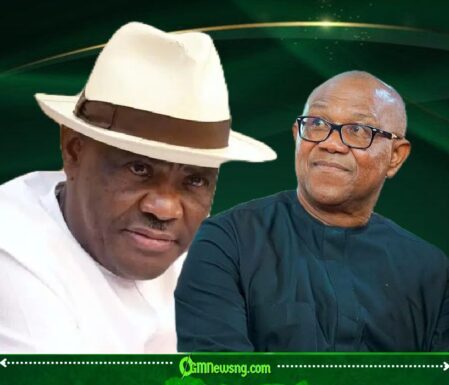





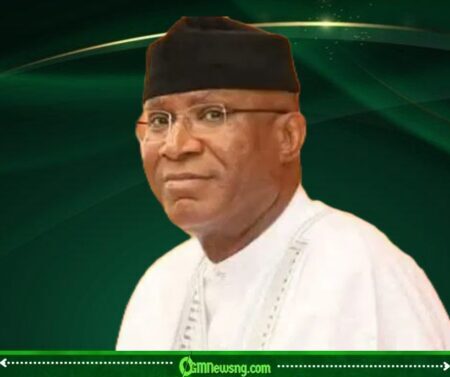
The Omo-Agege political calculation has added an unexpected twist to Nigeria’s unfolding 2027 election narrative. In remarks that have generated widespread discussion, the former Deputy Senate President declared support for Peter Obi while maintaining firm backing for some of President Bola Tinubu’s most significant economic reforms. The development raises a provocative question: if the reforms remain valid, is the real argument about policy or public trust?
Omo-Agege Says Fuel Subsidy Removal and Naira Floatation Were Necessary
Omo-Agege made his position clear during a television interview in which he addressed questions surrounding his departure from the APC and his endorsement of Obi. He argued that the removal of fuel subsidy and the floating of the naira were necessary decisions that he supported when they were introduced and continues to support today. According to him, his political migration does not represent a rejection of those reforms but rather a different assessment of who can effectively carry them forward.
The former Delta Central senator further stated that support for these reforms should not be viewed as exclusive to President Tinubu or the APC. He noted that Peter Obi had previously expressed support for similar economic measures. Omo-Agege therefore framed his endorsement of Obi not as an ideological shift but as a belief that Nigerians may have greater confidence in Obi’s ability to implement policies that remain economically necessary despite their controversial impact.
Omo-Agege Claims Nigerians Trust Obi More Than Tinubu to Deliver Same Policies
The Omo-Agege remarks arrive at a time when economic reforms remain one of the most divisive issues in Nigerian politics. President Tinubu’s administration has defended subsidy removal and currency reforms as necessary steps toward long-term economic stability, while critics argue that the immediate effects have increased hardship for households and businesses. International observers and market analysts have frequently described the reforms as significant structural changes, even as public dissatisfaction continues to shape political debate.
Meanwhile, Peter Obi has continued positioning himself as a major contender for the 2027 presidential election amid an increasingly fragmented opposition landscape. Recent political developments suggest that multiple parties and influential political figures are already preparing for a highly competitive contest. Against this backdrop, Omo-Agege’s argument introduces an unusual dimension into the campaign conversation: the possibility that the same economic reforms could be marketed differently depending on who occupies the presidency.
The coming months may reveal whether the Omo-Agege strategy represents a genuine shift in Nigerian political thinking or merely another example of the country’s famously flexible political alliances. What is already clear is that the debate over reforms is no longer simply about whether they should exist, but increasingly about who Nigerians trust to make them work. OGM News Nigeria will continue monitoring developments as political actors position themselves for what promises to be one of the most closely watched elections in recent history.
Table of Contents
Discover more from OGM News NG
Subscribe to get the latest posts sent to your email.