
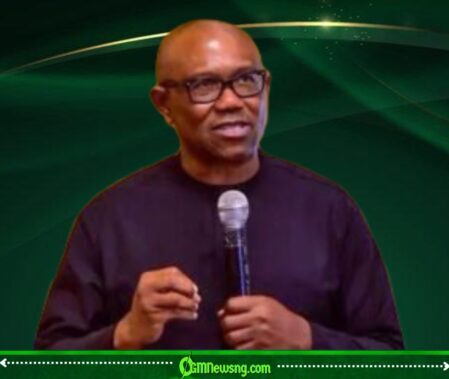
Peter Obi has opened a fresh chapter in Nigeria’s long-running fuel-subsidy saga, promising that if elected president in 2027, his administration would first tackle corruption and then restore petroleum subsidy. Speaking at an Obi-Kwankwaso town hall meeting in Sokoto, the Nigeria Democratic Congress (NDC) presidential candidate said the subsidy debate was ultimately connected to corruption and assured Nigerians that eliminating corrupt practices would make a return of subsidy possible.
The Subsidy That Refuses to Retire
Obi’s proposal arrives after the federal government removed the petrol subsidy in 2023, a reform that dramatically changed fuel pricing and became one of the most consequential economic decisions of the current political era. The World Bank said the reform was intended to create fiscal space, although it also warned that higher petrol prices would place significant pressure on households and that social protection would be necessary to cushion vulnerable Nigerians.
Now, with the 2027 election approaching, subsidy has returned to the political conversation—apparently refusing to accept retirement even after its official exit from the economic stage. Obi’s position is that corruption must be confronted first, after which subsidy could be brought back. In other words, Nigerians are being asked to imagine a rather unusual economic sequence: clean the kitchen first, then decide what goes back on the menu.
Obi, Kwankwaso and the 2027 Economic Pitch
At the Sokoto meeting, Obi also highlighted education, security and infrastructure, saying education would be his administration’s number-one priority after unity and security. He further promised to connect state capitals by rail to encourage economic activity. Rabiu Kwankwaso, his running mate, said the ticket was visiting Sokoto to engage residents and seek support ahead of the 2027 election.
The Obi-Kwankwaso ticket has become a significant feature of the 2027 political realignment. The NDC formally adopted Obi as its presidential candidate and Kwankwaso as his running mate in May, while the party has since been working on its campaign structure ahead of the election. The latest subsidy promise therefore adds another major economic question to the campaign: how exactly would a future government fund and administer the policy after tackling the leakages and corruption Obi says have undermined it?
For Nigerians who have watched petrol prices, subsidy announcements and economic reforms repeatedly change the national conversation, the latest proposal may sound like an old political song receiving a new remix. The central issue, however, remains serious: any return of subsidy would have to address its cost to public finances, while any attempt to eliminate corruption would require concrete systems for transparency, accountability and enforcement. The World Bank has previously described the old subsidy arrangement as fiscally costly and highlighted concerns about its distributional effects.
The Sokoto declaration has consequently placed subsidy and corruption side by side once again in the 2027 policy debate. Whether the proposed sequence—fight corruption first, restore subsidy later—can become a workable economic programme will depend on the details that emerge from the NDC campaign. For now, Nigerians have heard the promise, and OGM News NG will continue to watch what comes next in this latest chapter of the country’s fuel-subsidy drama.
Table of Contents
Discover more from OGM News NG
Subscribe to get the latest posts sent to your email.