
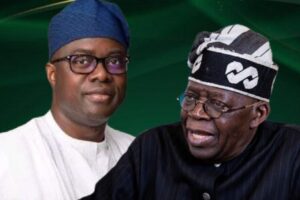
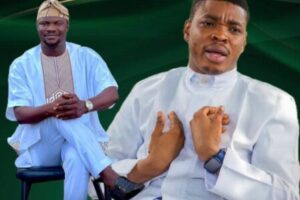
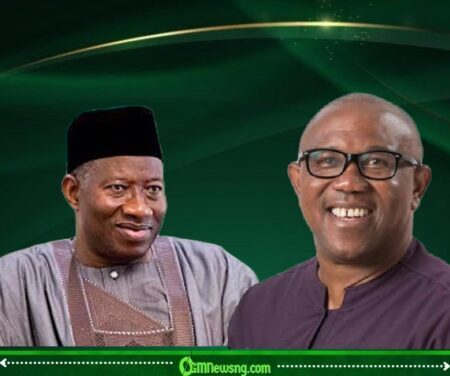
Peter Obi has dismissed growing speculation that former President Goodluck Jonathan could emerge as a major obstacle to his 2027 presidential ambition, insisting that his attention remains fixed on rebuilding Nigeria rather than calculating political threats. Speaking after undergoing an extensive screening exercise at the national secretariat of the Nigeria Democratic Congress in Abuja, Obi projected confidence, but also frustration over the condition of the country. His remarks immediately intensified political conversations already building around the 2027 general election, especially as Nigerians continue to grapple with economic hardship, insecurity and rising public distrust toward political elites.
The former Anambra State governor said democracy should allow anyone interested in leadership to contest freely, adding that he was unconcerned about rumours linking Jonathan to a possible presidential comeback. Instead, Obi repeatedly returned to one phrase — “rebuilding Nigeria” — presenting it as both a political mission and a criticism of a system he believes has neglected ordinary citizens while politicians remain trapped in endless campaign cycles.
Obi Focuses on Unity and Security Ahead of 2027 Race
Obi described Nigeria as a deeply divided country requiring urgent efforts toward unity, constitutional inclusivity and national security. According to him, rebuilding Nigeria begins with restoring trust among citizens and ensuring governance reflects fairness across ethnic and regional lines. He argued that many Nigerians now live under constant fear, whether sending children to school, commuting to work or traveling between states. His comments come at a time when concerns over insecurity, kidnappings and violent attacks continue to dominate national discussions.
The former governor also used the moment to criticize what he described as a dangerous obsession among politicians with future elections instead of present governance. In one of his sharpest remarks, Obi declared that politicians are busy planning for the next election while Nigerians struggle daily with hunger and uncertainty. He lamented worsening poverty across the country and accused some public officials of converting public wealth into personal assets. Though he did not mention names directly, the statement carried the tone of a broader indictment against Nigeria’s political establishment.
Obi Dismisses Consensus Candidate Claims After NDC Screening
Obi’s appearance before the NDC screening committee lasted more than two hours, a development he described as evidence that the party was attempting to follow due process. The committee, chaired by former governor Sam Egwu, included several notable political figures and was tasked with evaluating aspirants for multiple elective offices ahead of the next election cycle. Obi argued that such screenings are necessary to verify constitutional qualifications and test whether candidates can defend their public promises under scrutiny.
The wider political significance of Obi’s comments also reflects increasing speculation surrounding the 2027 race. Reports suggesting that Goodluck Jonathan could return to frontline politics have generated mixed reactions nationwide, especially among opposition supporters searching for a strong coalition capable of challenging the ruling establishment. Jonathan himself has remained publicly cautious about such discussions, but his continued relevance within Nigerian politics ensures that even rumours of a possible return attract immediate national attention. Meanwhile, Obi’s refusal to engage in direct political attacks may be part of a broader strategy to maintain his image as a reform-focused candidate rather than another politician consumed by political rivalry.
Obi also rejected claims that he had already emerged as the consensus presidential candidate of the Nigeria Democratic Congress, clarifying that the nomination process remains open and competitive. His comments appeared designed to counter perceptions of internal arrangements or premature endorsements within the party. Yet political observers note that Obi’s growing popularity among sections of urban youth and frustrated voters continues to position him as one of the most closely watched figures ahead of 2027.
As conversations around Obi, Jonathan and the future of opposition politics continue to grow, the deeper national issue may remain the same question Obi repeatedly emphasized: whether rebuilding Nigeria will finally become more important to political leaders than merely winning elections. OGM News Nigeria will continue monitoring developments surrounding the emerging 2027 political landscape, party alliances and the broader public reaction to calls for reform, accountability and national unity.
Table of Contents
Discover more from OGM News NG
Subscribe to get the latest posts sent to your email.