






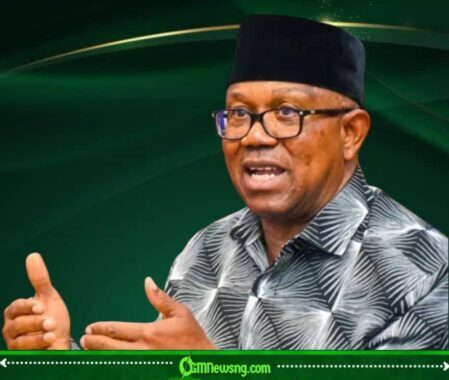
Former Anambra State Governor Peter Obi has reignited the state’s long-running debt debate, insisting that he neither borrowed money from financial institutions nor issued bonds during his eight years in office. Speaking recently, Obi maintained that he left office in March 2014 without unpaid salaries, pensions, gratuities or verified bills owed to contractors.
THE DEBT THAT REFUSES TO RETIRE
Obi’s latest defence comes after the Anambra State Government released records alleging that eight external loan facilities connected with projects between 2007 and 2013 had a combined original value of about $123.7 million. The government says a substantial balance from those facilities remains outstanding, turning what might have been a quiet accounting matter into a political argument with enough figures to make even a calculator request legal representation.
But there is an important accounting distinction in the middle of the argument. The existence of a loan facility connected to a state project does not automatically establish that the governor personally borrowed the money, that the entire facility was disbursed to the state during his tenure, or that the whole original amount remained outstanding when he left office. Reports examining the records have noted that some development financing involved Federal Government arrangements through which states participated in specific projects.
OBI’S VERSION MEETS THE GOVERNMENT’S NUMBERS
Obi says the records should be examined alongside his handover documents, which he argues showed substantial cash, investments and foreign-currency holdings left for the incoming administration. He has also pointed to the Debt Management Office and former DMO Director-General Abraham Nwankwo in defending his claim that he did not approach the debt office for approval to borrow money.
The Anambra Government, however, maintains that debt obligations existed and has presented loan records to support its position. Historical DMO figures also show that Anambra had external and domestic debt around the end of 2013, although interpreting those figures requires care because debt stocks can reflect disbursements, repayments, existing facilities and other adjustments. In other words, the numbers are real enough to start an argument, but apparently complicated enough to keep the argument alive.
The controversy therefore remains less about whether financial obligations existed somewhere in the state’s records and more about who borrowed what, through which financing arrangement, when the money was actually drawn, and what liabilities should properly be attributed to Obi’s administration. As the competing claims continue to circulate, OGM News NG will keep watching the documents, the figures and the increasingly dramatic journey of the Anambra debt story.
Table of Contents
Discover more from OGM News NG
Subscribe to get the latest posts sent to your email.