





Nigeria once again finds itself at the centre of a difficult conversation after former presidential spokesman Femi Adesina argued that the country’s inability to achieve lasting prosperity is rooted not in a lack of resources, but in persistent leadership failures, corruption, unemployment and inadequate infrastructure. His remarks have sparked renewed public discussion because they revisit questions that have shaped Nigeria’s political and economic debate for decades.
Femi Adesina Blames Corruption and Poor Leadership for Nigeria’s Slow Development
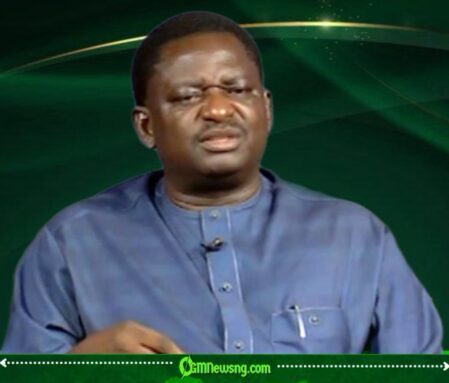
Speaking while presenting a paper titled “Nigeria’s Kinetics: How Long?” during the first annual public lecture organised by the Foursquare Gospel Church at Mauve 21 in Oyo State, Femi Adesina said Nigeria possesses virtually everything required for economic success but has consistently struggled to convert its enormous advantages into sustainable development. He argued that poor leadership, corruption, weak infrastructure and rising unemployment have collectively prevented the country from reaching its full potential.
The remarks immediately attracted attention because Adesina previously served as Special Adviser on Media and Publicity to the late President Muhammadu Buhari. While some observers view his comments as an honest reflection on Nigeria’s enduring governance challenges, others have questioned whether such criticism also applies to previous administrations, including the one in which he served. The speech has therefore reignited broader discussions about accountability across multiple governments rather than focusing on any single administration.
Leadership Keeps Pressing the “Later” Button While Nigeria Waits for Prosperity
Nigeria’s development challenges have remained a recurring subject among economists, governance experts and civil society organisations. Analysts frequently identify infrastructure deficits, unemployment, policy inconsistency, institutional weakness and corruption as major barriers to economic growth despite the country’s large population, abundant natural resources and entrepreneurial workforce. Public lectures organised by religious and civic institutions have increasingly become platforms for discussing these national issues beyond partisan politics.
Adesina’s comments also align with wider conversations about governance reforms, economic diversification and institutional accountability that continue to shape public policy discussions. While Nigeria has implemented numerous economic reforms over the years, experts generally argue that sustainable progress depends on consistent leadership, transparent institutions, improved infrastructure, investment in education and job creation. These issues remain central to national debates about how Nigeria can fully unlock its economic potential and improve living standards for millions of citizens.
As the conversation continues, Nigeria faces a familiar but unavoidable question: whether future leadership can finally translate the country’s undeniable potential into measurable national prosperity. OGM News Nigeria will continue monitoring developments and public reactions as the debate evolves.
Table of Contents
Discover more from OGM News NG
Subscribe to get the latest posts sent to your email.