









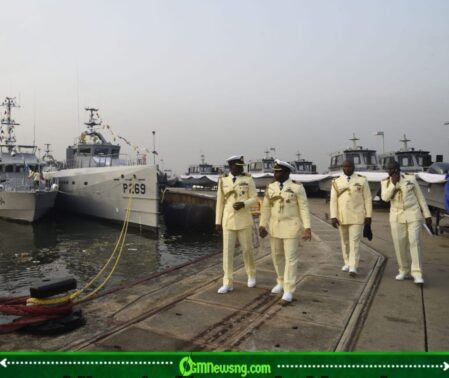
Naval Shipbuilding is rapidly emerging as one of Nigeria’s boldest security and industrial experiments, with authorities expanding naval vessel production and maintenance operations in Lagos amid growing concerns over piracy, oil theft, and maritime smuggling. The development signals a major attempt to reduce reliance on foreign-built patrol boats while strengthening Maritime Security across one of Africa’s busiest and most troubled coastal regions. But beneath the optimism lies a difficult question many Nigerians are now asking: why did it take this long for Africa’s largest oil producer to seriously invest in building its own naval capability?
Naval Shipbuilding And Way Forward
The latest expansion reportedly focuses on locally producing and maintaining patrol boats used by the Nigerian Navy in anti-piracy and coastal security operations. Security officials believe local assembly and repairs could significantly reduce operational delays often associated with importing vessels or waiting for foreign technical support.
The move comes at a critical time for Nigeria’s coastal economy. The Gulf of Guinea remains strategically important for oil transportation and commercial shipping, yet the region has repeatedly battled piracy attacks, illegal bunkering, and smuggling operations. In recent years, authorities intensified surveillance and military patrols after concerns that maritime crime was draining national revenue and threatening investor confidence. Naval Shipbuilding is now being presented as part of a broader strategy to improve rapid deployment capacity while lowering long-term procurement costs.
Maritime Security Base on Edge Of Securing Nigeria
Maritime Security experts have long argued that Nigeria possesses the engineering talent and dockyard potential needed to sustain portions of its naval infrastructure locally. Previous naval projects in Lagos reportedly included collaborations involving locally constructed support vessels and maintenance programs aimed at reducing foreign dependence. Analysts say expanding these capabilities could eventually strengthen indigenous manufacturing while creating technical employment opportunities.
However, the initiative also exposes deeper questions about governance, continuity, and industrial policy. Critics note that Nigeria has historically relied heavily on imported defense hardware despite repeated calls for local production. Some observers warn that the success of the Lagos expansion will depend not only on constructing patrol boats, but also on transparent funding, regular maintenance culture, and consistent political support beyond media announcements. Others argue the project may become a symbolic achievement if broader port security reforms and anti-corruption measures are not strengthened alongside it.
For now, Naval Shipbuilding has become more than a military project. It is increasingly being viewed as a national test of whether Nigeria can transform security pressure into industrial growth. If the Lagos expansion delivers sustainable results, Maritime Security operations may improve while local technical capacity gains new relevance. But if poor maintenance, policy inconsistency, or political distractions interfere, the country risks watching another ambitious strategic project drift slowly into the same waters it was designed to protect.
Table of Contents
Discover more from OGM News NG
Subscribe to get the latest posts sent to your email.