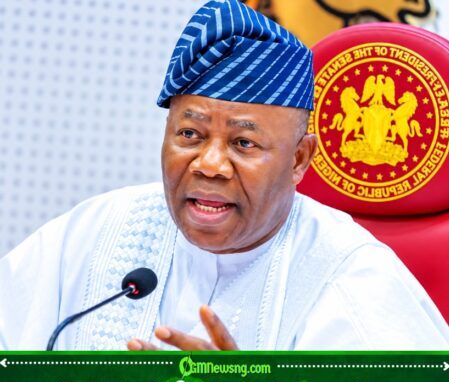









Defection has become the center of a growing constitutional and political confrontation in Delta State after the State House of Assembly declared the seat of Udu Constituency lawmaker Collins Egbetamah vacant following his move to the Nigeria Democratic Congress (NDC). While the Assembly insists it acted strictly within constitutional provisions, opposition voices argue that the decision raises serious concerns about due process, democratic representation, and whether political expediency has been allowed to overshadow constitutional safeguards. With legal threats, allegations of selective enforcement, and calls for judicial intervention now dominating the conversation, the dispute has evolved into one of the state’s most closely watched political controversies.
Democracy on Trial as Delta Assembly Faces Backlash Over Vacant Seat Declaration
The controversy began after the Delta State House of Assembly considered Egbetamah’s resignation and defection letter and subsequently declared his seat vacant. House Leader and Chairman of the Committee on Information, Emeka Nwaobi, defended the decision, arguing that Section 109(1)(g) of the 1999 Constitution provides clear conditions under which a legislator may defect from the party on whose platform he was elected without forfeiting his seat. According to the Assembly, no evidence was presented showing that the lawmaker’s defection qualified under the constitutional exception relating to divisions or crises within his former party at the national level.
The NDC and former Deputy Senate President Ovie Omo-Agege have sharply disagreed with that interpretation. They contend that the declaration was politically motivated, unconstitutional, and reached without affording the lawmaker a fair hearing. Omo-Agege argues that a legislative mandate cannot be extinguished through what he describes as a rushed legislative process lacking proper examination of relevant facts. The NDC further maintains that representation belongs primarily to the people who cast their votes rather than to political parties, warning that selective application of constitutional provisions could undermine public confidence in democratic institutions.
Court Intervention Sought as Defection Controversy Rocks Delta Politics
The dispute highlights a longstanding national debate regarding political defections and the ownership of electoral mandates. Nigerian courts have repeatedly been called upon to interpret constitutional provisions governing lawmakers who switch political parties during their tenure. In several notable cases over the years, judicial decisions have emphasized that exceptions may apply where genuine divisions exist within a political party, though the determination of such circumstances often becomes a matter of legal scrutiny rather than legislative declaration alone.
Beyond the immediate controversy, the case reflects increasing political realignments ahead of future electoral contests. Across Nigeria, party defections have become a recurring feature of political strategy, often triggering legal battles over whether elected officials should retain their positions after changing affiliations. Critics argue that inconsistent enforcement of constitutional provisions creates perceptions of double standards, particularly when similar defections in different political circumstances appear to receive different treatment. Supporters of stricter enforcement, however, insist that allowing unrestricted defections could weaken party discipline and distort the electoral choices originally made by voters. In this context, the issue of representation extends beyond Udu Constituency and touches broader questions about accountability, party loyalty, and democratic legitimacy.
As pressure mounts for judicial review, the ultimate fate of Egbetamah’s seat may depend less on political rhetoric and more on constitutional interpretation by the courts. What remains clear is that the defection dispute has reignited national conversations about democratic rights, legislative authority, and the delicate balance between party structures and voter representation. OGM News Nigeria will continue to monitor developments as legal and political actors move toward what could become a significant constitutional test with implications far beyond Delta State.
Table of Contents
Discover more from OGM News NG
Subscribe to get the latest posts sent to your email.