









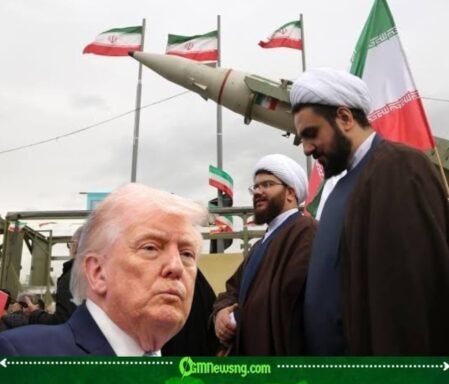
Iran has issued one of its strongest warnings in recent years, declaring that American Bases across the Middle East could become legitimate targets if military tensions with the United States continue to escalate. The statement has immediately attracted global attention, fueling speculation about whether the latest exchange of threats represents political posturing or the early signs of a broader regional confrontation. As governments, military officials, and investors monitor developments closely, the warning has added another layer of uncertainty to an already volatile geopolitical environment.
American Bases Put On Notice As Iran Expands Threat
Iranian officials stated that any future conflict involving the country would not be confined to a single battlefield, suggesting that American Bases located throughout the region could be drawn into any wider confrontation. The remarks were presented as a response to what Tehran views as increasing military pressure and security threats from the United States and its allies. By expanding the scope of its warning, Iran appears to be signaling that any military action against its interests could trigger consequences extending far beyond its own borders.
The latest statement arrives at a time when tensions in the Middle East remain elevated due to ongoing disputes involving regional security, missile programs, military deployments, and strategic alliances. While some observers interpret the warning as an attempt to deter potential attacks, others argue that such rhetoric risks increasing instability and heightening the possibility of miscalculation. In the often unpredictable world of geopolitics, a single statement can sometimes generate as much concern as a military movement, leaving policymakers scrambling to assess potential outcomes.
Iran Challenges U.S. Military Footprint Across Middle East
The significance of the warning is rooted in the long-running rivalry between Iran and the United States. For decades, American Bases throughout the Middle East have played a central role in military operations, intelligence gathering, maritime security, and regional partnerships. From Iran’s perspective, these installations represent an extension of American influence near its borders, while Washington views them as critical components of regional stability and defense cooperation.
Recent history demonstrates how quickly tensions between the two nations can escalate. Incidents involving missile strikes, proxy groups, naval encounters, and diplomatic disputes have repeatedly brought the region to the edge of broader conflict. Analysts note that even without direct military engagement, threats directed at American Bases can influence defense planning, international diplomacy, global energy markets, and investor confidence. The economic and political consequences of heightened tensions often extend well beyond the countries directly involved, affecting governments and citizens across the globe.
Iran now finds itself once again at the center of international attention as leaders across the region evaluate the implications of the latest warning. Whether the statement remains a strategic deterrent or becomes a precursor to further escalation remains uncertain. What is clear, however, is that the future of regional security—and the role of American Bases within that security framework—will remain under intense scrutiny in the days ahead. OGM News Nigeria will continue to monitor developments as new information emerges regarding one of the most consequential geopolitical standoffs of the year.
Table of Contents
Discover more from OGM News NG
Subscribe to get the latest posts sent to your email.