








Iran has accused the United States of violating a ceasefire following an attack and seizure of one of its cargo ships, escalating tensions in an already fragile geopolitical situation. Officials in Tehran described the incident as an act of aggression, arguing that it directly undermines ongoing efforts to maintain a temporary halt in hostilities.
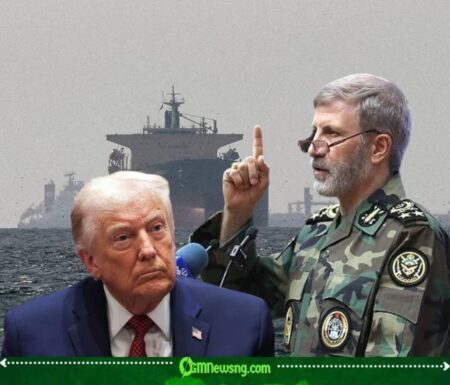
The accusation comes after U.S. forces intercepted and boarded an Iranian-flagged vessel near the Strait of Hormuz, a strategic waterway critical to global oil shipments. Washington has maintained that the ship attempted to breach a naval blockade and may have been carrying materials of concern, though Iran disputes those claims.
Iran’s response has been firm, with leaders warning that such actions risk collapsing the already delicate ceasefire agreement and could lead to broader regional instability if not addressed through diplomatic channels.
Iran and Rising Tensions in the Strait of Hormuz
Iran has emphasized that the Strait of Hormuz remains a sensitive and strategically vital area where any military action can have far-reaching consequences. The recent incident has heightened concerns about the safety of maritime traffic and the stability of energy markets worldwide.
The seizure of the vessel marks a significant escalation in the enforcement of the U.S. naval blockade, which has already disrupted shipping patterns and increased uncertainty for commercial operators.
For Iran, the event reinforces long-standing concerns about external military presence in the region and its impact on national sovereignty and economic activity.
Diplomatic Fallout and Negotiation Risks
Iran has signaled that the incident could derail ongoing diplomatic efforts, including planned negotiations aimed at extending or solidifying the ceasefire agreement. Reports suggest that Tehran is reconsidering participation in upcoming talks, citing the ship seizure as evidence of bad faith.
Diplomats have warned that such developments could complicate already difficult negotiations, making it harder to find common ground between the two sides.
The situation illustrates how quickly progress toward peace can be undermined by actions perceived as violations, even when both sides claim to be acting within their rights.
Iran and U.S. Narratives Clash
Iran has strongly rejected the U.S. justification for the operation, which includes claims that the vessel was linked to sanctioned activities or attempting to bypass restrictions. Tehran maintains that the ship was engaged in legitimate commercial activity.
The United States, on the other hand, has defended its actions as part of enforcing sanctions and maintaining regional security, highlighting the complexity of interpreting ceasefire agreements.
This divergence in narratives underscores the broader challenge of achieving mutual trust in high-stakes geopolitical conflicts.
Economic and Global Implications
Iran’s accusations come at a time when global markets are highly sensitive to disruptions in the Middle East, particularly in the energy sector. The Strait of Hormuz handles a significant portion of the world’s oil supply, making any instability in the region a matter of global concern.
Following the incident, there have been reports of increased volatility in oil prices and heightened caution among shipping companies operating in the area.
The economic ripple effects highlight how regional conflicts can quickly extend beyond borders, affecting global trade and financial stability.
Iran is expected to continue pressing its claims that the incident constitutes a violation of the ceasefire, while also weighing its next steps in both diplomatic and strategic terms.
The coming days will be critical in determining whether tensions escalate further or whether efforts can be made to restore dialogue and prevent a breakdown of the ceasefire.
Ultimately, the situation reflects the fragile nature of temporary peace agreements and the challenges involved in maintaining them amid ongoing disputes and competing interests.
Table of Contents
Discover more from OGM News NG
Subscribe to get the latest posts sent to your email.