







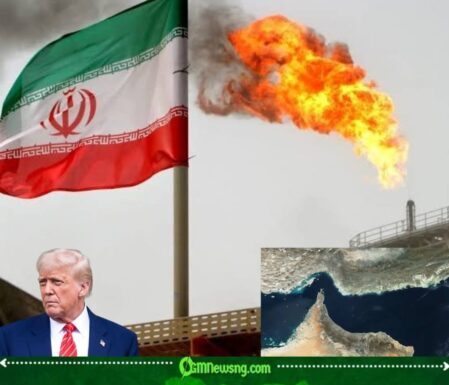
Iran has issued a dramatic warning that not a single drop of oil would leave the Strait of Hormuz or the wider Persian Gulf if the United States continues what Tehran describes as an economic war. The warning, delivered by Mohsen Rezaei, secretary of Iran’s Supreme National Security Council, also included a threat to regard countries supporting Washington’s economic campaign as participating in an “act of war.”
The statement comes as tensions between Iran and the administration of U.S. President Donald J. Trump continue to escalate. Trump has announced an intensified economic campaign against Tehran, while Iran’s leadership has responded with increasingly forceful warnings over the strategically vital waterway.
Iran Puts Hormuz and Global Oil Markets on Notice
Iran says continued economic pressure could trigger a complete halt to oil exports through the Strait of Hormuz and elsewhere in the Persian Gulf. Rezaei warned that countries helping Washington impose economic restrictions could be considered enemies and could face retaliation against their interests.
And just like that, the world’s oil traders may have discovered that the words “not a single drop” can produce considerably more anxiety than an empty petrol station. The Strait of Hormuz is one of the world’s most important energy corridors, meaning any prolonged disruption could reverberate through energy markets far beyond the Middle East. In peacetime, roughly a fifth of global oil and gas exports pass through the chokepoint.
Iran Turns Economic Pressure Into a Bigger Geopolitical Gamble
Iran is making its warning as Washington prepares additional economic measures against Tehran. President Trump has described the planned campaign as an unprecedented effort to isolate Iran economically, while Iranian officials insist that further pressure will not force Tehran into submission.
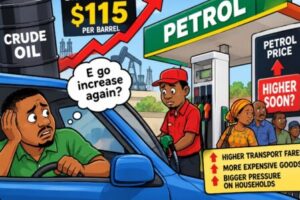
For the international community, the concern goes well beyond the price of filling a car. A prolonged confrontation around Hormuz could affect shipping, energy costs and countries dependent on Gulf supplies. Governments and traders are therefore watching closely, because the global economy has never been particularly good at receiving surprise invoices from geopolitical crises.
Iran’s latest warning has transformed an already tense confrontation into an even larger energy-security concern, with the fate of oil flows through Hormuz now firmly tied to the widening dispute with Washington. OGM News NG will continue monitoring the situation as Iran, the United States and regional governments make their next moves—and readers should watch out for further updates as this high-stakes story develops.
Table of Contents
Discover more from OGM News NG
Subscribe to get the latest posts sent to your email.