








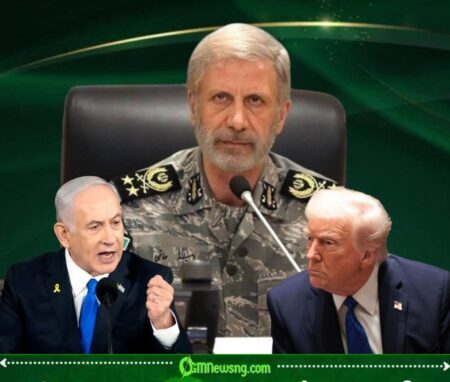
Iran has publicly warned that the next phase of its attacks on the United States and Israel will be much more forceful, signaling a dangerous escalation in the ongoing conflict that has already shaken the Middle East and sent shockwaves through global political and energy markets. Iranian state media and military spokespeople have suggested that any further strikes on civilian infrastructure such as power plants and bridges could prompt what Tehran describes as “severe and devastating” retaliation not only against U.S. and Israeli forces but also against allied nations hosting Western military assets. The rhetoric reflects intensifying tensions as the war moves deeper into regional confrontation.
The warnings come amid a backdrop of sustained Iranian missile and drone strikes across the Gulf, including attacks on energy infrastructure in Gulf Cooperation Council states such as the United Arab Emirates, Bahrain, and Kuwait, as well as military targets linked to U.S. and Israeli interests. Recent operations have disrupted global oil supply routes and kept oil prices elevated, highlighting the far-reaching consequences of the conflict beyond the immediate battlefield.
Global leaders and diplomats have expressed alarm at the continued escalation, as regional instability threatens not only local populations but the world economy and international security. Efforts at back‑channel negotiations and ceasefire proposals have been reported, but Tehran’s latest statements suggest that Iran may be preparing to intensify military actions if its demands and red lines are not respected.
Historical Context of the Conflict
Iran has repeatedly framed its actions as retaliation for attacks on its territory and infrastructure, emphasizing that strikes by U.S. and Israeli forces have targeted both military and civilian sites. Thousands of sites—including fuel depots, residential districts, and transport infrastructure—have been damaged since the conflict began, resulting in a mounting humanitarian toll.
Over the course of the war, Iranian forces have diversified their campaign, launching missiles and drones not only toward military installations but also into neighboring countries and areas with energy facilities, drawing condemnation from some nations and complicating efforts to achieve regional stability. This broader approach reflects Tehran’s strategic calculation that expanding the theater of conflict may deter further attacks on its own soil.
Past warnings from Iran’s leadership have also emphasized that any foreign attack could escalate into a larger regional war, a message that Tehran’s supreme leadership reinforced early in the conflict. These historical statements connect to the current tone of escalation, illustrating how the confrontation has evolved into a broader geopolitical standoff.
Iran’s Military Objectives and Strategy
Iran’s leadership and military command have portrayed the intensification of attacks as both defensive and retaliatory in nature, arguing that responding to perceived aggression is necessary to protect national sovereignty and deter further foreign military operations in and around Iranian territory. Officials have asserted that Tehran’s forces remain capable of sustained operations and could expand their campaign if provoked.
This approach suggests that Iran may be preparing to escalate tactics beyond conventional strikes, potentially targeting a broader array of assets linked to U.S. and Israeli interests in the region. Tehran’s warnings have included references to hitting key infrastructure and military bases, underscoring a willingness to widen the scope of its offensive measures.
While Iran has often emphasized that it does not seek broader regional war, its statements of “more forceful” retaliation indicate a strategic posture that prioritizes deterrence and leverage over unilateral de-escalation. This stance complicates diplomatic efforts aimed at reducing hostilities and introduces greater uncertainty into future engagements.
Reactions from the United States and Israel
In response to Tehran’s announcements, U.S. and Israeli officials have reiterated their commitment to continued military pressure, arguing that degrading Iran’s military capabilities remains necessary to prevent future threats. Washington and Jerusalem have described their operations as targeted efforts to counter what they characterize as destabilizing actions by Tehran.
American policymakers have also stressed the importance of protecting regional partners and maintaining freedom of navigation in strategic waterways such as the Strait of Hormuz, which has been closed or disrupted at various points during the conflict, contributing to global energy insecurity and economic volatility.
Despite these positions, some U.S. lawmakers and international figures have called for renewed diplomatic engagement to avoid further escalation, emphasizing the humanitarian costs and global economic fallout associated with expanding warfare. The divide within international responses highlights the complexity of balancing military objectives with efforts to stabilize the region.
Impact on Civilians and Regional Stability
The intensification of hostilities has taken a heavy toll on civilian populations across the region, with documented casualties and widespread infrastructure damage. Healthcare systems, energy supplies, and essential services have been strained as communities grapple with direct and indirect consequences of continued conflict.
Iran’s warnings of “more forceful” attacks add to fears that further escalation could exacerbate the humanitarian situation, particularly if energy infrastructure, transportation hubs, or other civilian targets become embroiled in retaliatory cycles. Humanitarian organizations have called for immediate ceasefires and safe corridors to protect civilians caught in the crossfire.
Neighboring countries have also been drawn into the conflict dynamics, with some Gulf states intercepting missiles and drones launched from Iranian territory and others grappling with the economic effects of disrupted oil exports. The regional spillover underscores how localized conflict can quickly expand into broader security challenges.
Diplomatic Efforts and Future Prospects
Despite repeated warnings and escalating rhetoric, there have been ongoing diplomatic efforts to de-escalate the conflict and negotiate temporary ceasefires. Reports indicate that regional mediators and global powers are exploring a structured pause in hostilities to pave the way for longer-term negotiations.
However, Iran’s recent statements that future phases of its attacks will be “more forceful” pose challenges to engagement, as they signal a willingness to sustain or expand military operations if their conditions are not met. This reality complicates diplomatic overtures and raises questions about whether negotiation or continued pressure will shape the conflict’s trajectory.
International actors remain divided on how best to approach the crisis, with some advocating for renewed dialogue involving multiple stakeholders, while others emphasize deterrence and military pressure as necessary to curb further escalation. As tensions persist, the balance between diplomacy and force will be critical in determining the future course of the conflict.
What Comes Next
Iran’s warning of a more forceful next phase underscores a volatile and unpredictable conflict environment, with potential ramifications far beyond the immediate battlefield. The coming weeks will likely be pivotal in shaping the trajectory of hostilities, regional alliances, and global economic stability.
Policymakers, military strategists, and diplomatic actors are expected to continue weighing options that balance security objectives with humanitarian concerns and long-term peace prospects.
As global attention remains focused on the Middle East, the implications of Tehran’s posture, combined with responses from Washington, Jerusalem, and other capitals, will influence both immediate conflict dynamics and broader efforts to achieve lasting stability.
Table of Contents
Discover more from OGM News NG
Subscribe to get the latest posts sent to your email.