









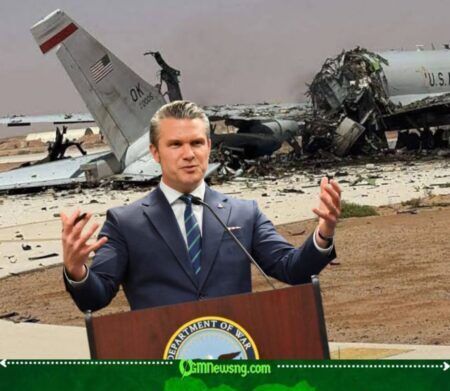
United States has reportedly lost at least seven aircraft since the start of the war in Iran, highlighting the growing risks faced by its air operations despite claims of aerial dominance. The losses reflect the intensity of the conflict and the challenges posed by Iranian defenses and operational hazards.
Reports indicate that both crewed and uncrewed aircraft have been affected, with fighter jets, refueling tankers, and surveillance drones among those damaged or destroyed. These incidents have raised concerns about the sustainability of high-tempo air missions.
Military analysts note that while some losses are expected in prolonged conflicts, the pattern and frequency of incidents are being closely monitored for signs of deeper operational vulnerabilities.
Causes Behind the Losses
United States officials and analysts have pointed to a combination of factors contributing to the aircraft losses, including enemy fire, technical failures, and even friendly-fire incidents in complex combat environments.
In one notable case earlier in the conflict, multiple fighter jets were reportedly downed due to misidentification during high-pressure operations.
Additionally, Iranian air defenses and missile systems have demonstrated an ability to challenge U.S. aircraft, particularly in contested airspace where risks are significantly elevated.
United States and Air Superiority Claims
United States has maintained that it continues to hold air superiority over Iran, despite the reported losses. Officials emphasize that thousands of successful combat sorties have been carried out since the beginning of operations.
However, recent incidents, including the downing of aircraft and damage to support planes, have raised questions about the extent of that dominance.
Experts suggest that even with advanced technology, modern air warfare remains unpredictable, especially against adaptable and mobile defense systems.
Impact on Military Strategy
United States losses are prompting a reassessment of tactics, particularly regarding how aircraft are deployed in high-risk zones. Adjustments may include increased reliance on drones or changes in flight patterns to reduce exposure.
The financial cost of lost aircraft is also significant, with billions of dollars in equipment reportedly affected since the conflict began.
Such developments could influence both short-term operations and long-term planning, as military leaders weigh risks against strategic objectives.
Operational and Human Consequences
United States has also faced human costs alongside equipment losses, with casualties and injuries reported among service members involved in these incidents.
Recent reports confirm that some downed aircraft incidents have left crew members missing or injured, prompting urgent search-and-rescue missions in hostile territory.
These situations underscore the dangers faced by personnel and the complexity of conducting recovery operations in active conflict zones.
What Comes Next
United States is expected to continue its operations while adapting to evolving conditions on the battlefield. Military leaders are likely to focus on minimizing further losses while maintaining pressure on strategic targets.
The coming weeks will be critical in determining whether the rate of aircraft losses stabilizes or increases, particularly as the conflict intensifies.
Observers believe that the balance between operational success and attrition will shape the broader trajectory of the war and influence both domestic and international perceptions of the campaign.
Table of Contents
Discover more from OGM News NG
Subscribe to get the latest posts sent to your email.