









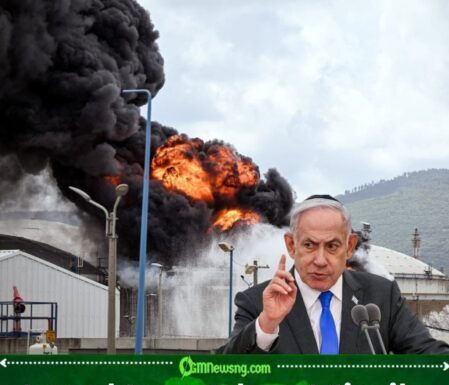
The Iran-Israel conflict has reached a critical flashpoint after reports emerged that Israeli missile strikes struck deep into Iranian territory, targeting key petrochemical facilities in what officials describe as one of the most direct blows to Iran’s industrial backbone in recent months. The development has triggered renewed global concern, as the Iran-Israel conflict increasingly shifts from strategic posturing to infrastructure disruption with potential economic consequences far beyond the region.
Early assessments suggest that the targeted petrochemical facilities sustained varying degrees of damage, with some units reportedly forced into shutdown pending safety evaluations. While official confirmation remains tightly controlled, regional observers note that the Iran-Israel conflict has now entered a phase where energy infrastructure is no longer collateral risk but a deliberate point of pressure.
Industrial Shockwaves and Immediate Fallout
The initial wave of reports indicates that multiple sites associated with Iran’s petrochemical production chain were affected during the overnight strikes. Within the framework of the Iran-Israel conflict, these petrochemical facilities are considered strategically important due to their role in both domestic energy supply and export revenue generation. The disruption has already raised concerns about temporary shortages and production delays.
Local emergency teams were deployed to assess structural integrity and prevent secondary hazards, particularly chemical leaks and fire risks. In the broader context of the Iran-Israel conflict, the targeting of petrochemical facilities signals a potential recalibration of military strategy, where economic pressure may be used alongside conventional deterrence measures.
Regional Strategy and Global Reactions
Beyond the immediate impact, analysts examining the Iran-Israel conflict suggest that the strike on petrochemical facilities could reshape diplomatic calculations across the Middle East. Energy infrastructure, once considered a relatively protected domain, is now increasingly exposed, raising fears of retaliatory escalation. Even global observers who have tracked the Iran-Israel conflict for years describe this development as unusually direct in its economic implications.
Interestingly, commentary from international political circles has also been shaped by broader geopolitical tensions, including statements attributed to global leaders such as Donald J. Trump, who continues to be referenced in discussions about Middle East policy direction. While no unified response has emerged, the strike on petrochemical facilities has undeniably intensified debates over containment strategies in the Iran-Israel conflict.
As investigations continue and diplomatic channels quietly activate behind the scenes, the future trajectory of the Iran-Israel conflict remains uncertain. What is clear, however, is that the targeting of petrochemical facilities has expanded the stakes of the confrontation beyond military symbolism into economic vulnerability, leaving the region on edge as it awaits the next move.
Table of Contents
Discover more from OGM News NG
Subscribe to get the latest posts sent to your email.