









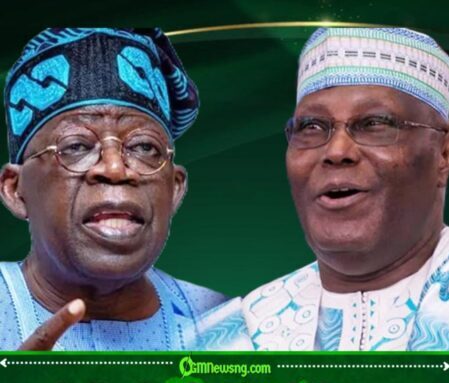
El-Rufai has once again become the center of Nigeria’s political conversation after fresh warnings from allies of former Vice President Atiku Abubakar suggested that the federal government would face serious questions if anything adverse happens to the former Kaduna State governor while in custody. The remarks have transformed an already controversial legal matter into a broader debate about accountability, transparency, and the responsibilities of state institutions.
The controversy arrives at a politically sensitive moment, with supporters and critics interpreting every new development through competing political lenses. As allegations concerning health concerns and access to medical care continue to circulate, public interest in the case has intensified, creating fresh pressure on authorities to provide clarity.
Accountability And Safety Of El-Rufai
The latest warning emerged amid concerns surrounding El-Rufai’s welfare during his detention. Political allies have argued that whichever institution is responsible for his custody has a constitutional obligation to ensure his safety, dignity, access to legal representation, and access to necessary medical care. Allegations regarding health complications have further amplified demands for transparency and official explanations.
The Accountability debate has since expanded beyond the immediate circumstances of the detention itself. Critics argue that uncertainty surrounding the case fuels public suspicion and undermines confidence in legal processes. Supporters of the government, however, maintain that ongoing investigations should be allowed to proceed through established legal channels without political pressure or interference.
Transparency Based On Legal Challenges And Allegations
The El-Rufai controversy did not emerge in isolation. For months, public discussions have focused on questions regarding his detention, legal challenges, and allegations made by both supporters and critics. Opposition figures have repeatedly claimed that the situation reflects a wider concern about the perceived use of anti-corruption investigations in highly charged political environments.
At the same time, the case has reopened long-standing debates about due process, institutional independence, and equal treatment under the law. While some observers insist that all public officials should be fully accountable for actions taken while in office, others argue that accountability must be accompanied by transparency and strict adherence to constitutional protections. These competing perspectives have ensured that the matter remains both legally significant and politically explosive.
As the situation continues to unfold, El-Rufai and Accountability remain at the heart of a national conversation that extends far beyond one individual. Whether the controversy ultimately strengthens public confidence in Nigeria’s institutions or deepens existing political divisions may depend on how transparently authorities address the growing concerns. OGM News Nigeria will continue monitoring developments as new facts emerge.
Table of Contents
Discover more from OGM News NG
Subscribe to get the latest posts sent to your email.