






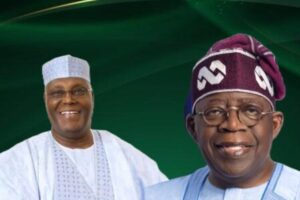
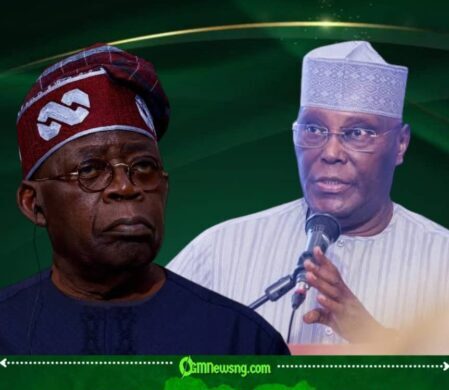
Hunger Hotspot became the latest political battleground after former Vice President Atiku Abubakar accused President Bola Tinubu of worsening economic suffering through controversial reforms that have reshaped Nigeria’s economy since taking office. Atiku argued that soaring inflation, rising food prices, subsidy removal, and naira instability have pushed millions of Nigerians into deeper hardship, while many households continue to struggle with the increasing cost of basic necessities.
The criticism comes at a time when citizens across Nigeria are confronting sharp increases in transportation costs, electricity expenses, and food prices. Since the removal of fuel subsidies and the unification of exchange rates, inflationary pressure has remained one of the dominant concerns for consumers and businesses alike.
Although the Tinubu administration has repeatedly defended the reforms as necessary for long-term economic stabilization, critics insist the speed and impact of the policies have overwhelmed ordinary Nigerians. In many urban markets, traders and consumers now discuss exchange rates and fuel prices with the same intensity once reserved for football results, a reality that has fueled frustration and political satire online.
Tinubu’s Policies Feeding Poverty Faster Than Progress, Atiku Alleges
Hunger Hotspot also reflects a broader political struggle over who controls the narrative surrounding Nigeria’s economic future. Supporters of the Tinubu administration argue that the president inherited deep fiscal problems, including debt burdens, subsidy costs, and foreign exchange distortions that required urgent intervention. Government officials maintain that the reforms are intended to restore investor confidence, stabilize public finances, and reduce long-standing economic inefficiencies that previous administrations avoided confronting directly.
However, economic analysts have noted that while some reform measures may produce long-term structural benefits, the short-term social consequences remain severe. Food inflation has continued to strain low-income households, while the weakening purchasing power of the naira has increased pressure on businesses dependent on imports. Critics within opposition circles argue that relief measures introduced by the government have not matched the scale of hardship experienced by citizens.
At the same time, supporters of the administration accuse political rivals of exploiting economic pain for political advantage ahead of future electoral contests. The debate has effectively transformed economic reform into a national political referendum on patience, sacrifice, and survival.
Hunger Hotspot is likely to remain central to Nigeria’s political conversation as citizens continue weighing the government’s promise of future recovery against the immediate realities of inflation and hardship. While the Tinubu administration insists on difficult reforms necessary to rebuild the economy, opposition figures such as Atiku Abubakar appear determined to ensure that rising living costs remain impossible for Nigerians and voters to ignore in the months ahead.
Table of Contents
Discover more from OGM News NG
Subscribe to get the latest posts sent to your email.