






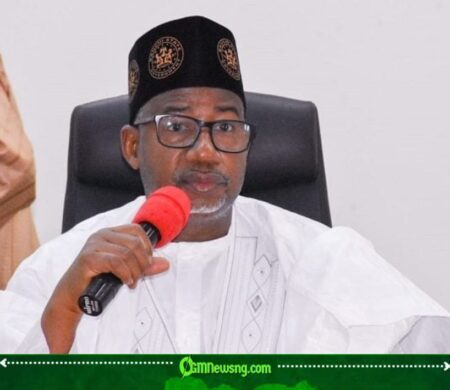
Bala Mohammed, the Governor of Bauchi State, reportedly cancelled his planned defection move to the All Progressives Congress (APC). The decision comes after weeks of intense political consultations and behind-the-scenes negotiations that raised expectations of a major party realignment.
Sources within the political circle indicate that Bala Mohammed had engaged in discussions with top APC stakeholders over a possible defection arrangement ahead of future elections. However, the talks eventually stalled due to unresolved disagreements on key political conditions attached to the proposed move.
The cancellation has now added a new layer of uncertainty to Bauchi’s political environment. Observers say Bala Mohammed’s decision reflects strategic political recalculations as the 2027 election season gradually approaches, with shifting alliances becoming more common across Nigeria’s political space.
APC Rejects 60/40 Power-Sharing Formula in Talks With Bala Mohammed
A major factor that contributed to the collapse of the negotiation was the reported rejection of a controversial 60/40 power-sharing formula by the APC. The proposal allegedly formed part of the conditions tied to Bala Mohammed’s defection arrangement.
Party insiders revealed that the APC leadership was unwilling to accept any structure that would alter its internal hierarchy or grant disproportionate control to incoming political figures. This disagreement reportedly created a major deadlock in discussions involving Mohammed and party negotiators.
Political analysts suggest that the rejection of the formula played a decisive role in the breakdown of talks. For many observers, the inability of both sides to reach a consensus highlights the complexities surrounding high-profile defections in Nigeria’s political system.
Bala Mohammed Defection Saga Sparks Reactions in Bauchi Politics
The cancellation of the defection plan by Bala Mohammed has triggered widespread reactions across Bauchi State’s political circles. Supporters of the governor describe the move as a bold demonstration of political independence and strategic patience.
On the other hand, opposition figures argue that the failed defection talks expose deeper political uncertainties and ongoing power struggles within the state. The situation has intensified discussions about future alliances and party loyalty ahead of the next general elections.
As Mohammed continues to remain a key figure in Nigeria’s political landscape, attention is now focused on his next strategic moves. Analysts believe the outcome of this political episode could significantly influence Bauchi’s electoral dynamics and broader regional alignments going into 2027.
Table of Contents
Discover more from OGM News NG
Subscribe to get the latest posts sent to your email.