








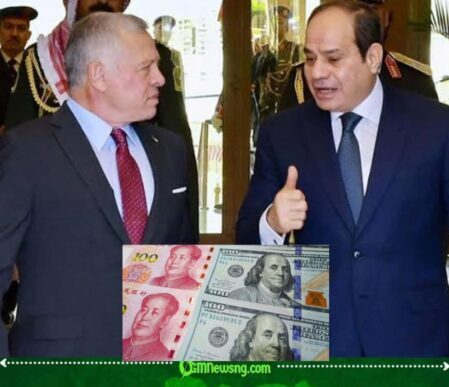
Egypt and Jordan are drawing attention over reports that trade with China is increasingly being conducted through the Chinese yuan rather than relying exclusively on the U.S. dollar, adding fresh drama to the long-running debate over the future of global trade currencies. The development comes amid a broader push by China to expand the international use of the yuan and by several countries to find alternative ways of settling trade. However, the available evidence needs an important qualification: Egypt has concrete new arrangements supporting greater yuan and local-currency use with China, while a comparable official announcement confirming that Jordan has abandoned the dollar for yuan trade was not found in the latest sources reviewed.
Egypt and Jordan Put Currency Arrangements Under the Spotlight
Egypt has taken a significant step toward greater use of the yuan in bilateral economic relations with China. In June 2026, the People’s Bank of China and the Central Bank of Egypt renewed their bilateral currency-swap agreement and increased its size from 18 billion yuan to 30 billion yuan. The agreement is designed to strengthen monetary cooperation, facilitate bilateral trade and investment, and expand the use of local currencies.
For Jordan, however, the picture is less dramatic than the headline might suggest. The Central Bank of Jordan continues to publish U.S.-dollar exchange rates and maintains the Jordanian dinar’s long-standing dollar peg. There is evidence of a broader regional movement toward yuan transactions with China, but the latest official Jordanian sources reviewed do not establish that Jordan has replaced the dollar with the yuan for its trade with China.
Yuan Gains Ground as the Dollar Watches From the Sidelines
The yuan is nevertheless becoming more visible in international trade. Recent reporting shows that African and other emerging-market economies are increasingly exploring yuan-denominated settlements as trade with China expands. Egypt’s own official information also highlights cooperation designed to encourage yuan use within the Egypt-China Economic and Trade Cooperation Zone.
In the satirical department, the dollar may now be looking around the international currency meeting room and asking, “Was I not invited?” The yuan, meanwhile, appears to have arrived with a suitcase, a trade agreement and several ambitious expansion plans. But despite the headlines, this is not yet a global currency coup: the yuan remains far behind the dollar in international financial usage, meaning the greenback has little reason to pack its bags just yet.
The growing use of alternative currencies in international trade nevertheless deserves attention, particularly as China expands financial links with trading partners. Egypt and Jordan will remain countries to watch as their economic relationships with China develop, but claims that both have completely abandoned the U.S. dollar should be treated cautiously until supported by official evidence. OGM News NG will continue following the currency story and bring readers further updates as the international financial chessboard continues to move.
Table of Contents
Discover more from OGM News NG
Subscribe to get the latest posts sent to your email.