




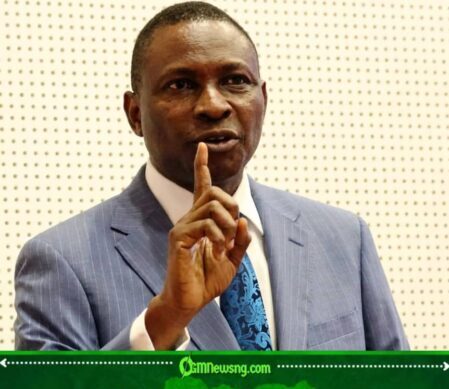
Nigeria’s religious space has received a fresh financial warning after EFCC Chairman Ola Olukoyede told religious leaders that diverting tithes, offerings, zakat and other funds belonging to religious organisations into private businesses is criminal. Speaking at the 2026 Second Council Meeting of the Nigeria Inter-Religious Council in Abuja, Olukoyede urged churches and mosques to create proper compliance systems and keep organisational money separate from personal finances.
When the Sacred Account Meets the Business Account
Olukoyede’s message was straightforward: religious leaders can own businesses, farms, car dealerships or engage in other lawful ventures, but the money entrusted to their religious organisations should not quietly take a commercial detour into their private businesses. In the satirical accounting department of Nigeria, this may be the moment when the imaginary financial statement finally gets two columns: “God’s money” and “my money” — with a very serious warning not to merge them at the bottom.
The EFCC chairman also called for clear financial controls so religious organisations can identify what belongs to the institution and what belongs personally to its leaders. The warning places accountability at the centre of religious financial management, particularly because contributions such as tithes, offerings and zakat are given for purposes connected to the organisations receiving them.
EFCC Says Faith Leaders Must Lead by Example
Olukoyede also argued that religious leaders have an important role in the wider fight against corruption because followers often observe and imitate the conduct of those leading them. He urged faith communities to promote honest living and questioned the practice of celebrating wealth whose source cannot reasonably be explained.
The EFCC chairman further referred to previous investigations involving Christian and Muslim pilgrimage boards, saying investigators had encountered serious financial irregularities. He also warned against religious institutions becoming places where questionable wealth receives ceremonial approval, suggesting that preaching accountability becomes complicated when unexplained wealth arrives wearing a celebration outfit.
For OGM News NG, the bigger issue is not whether religious leaders may legitimately run businesses; Olukoyede expressly said they may. The issue is whether institutional religious funds are kept separate from personal finances and properly used for their intended purposes. With the EFCC now putting renewed attention on financial compliance within religious organisations, Nigerians may want to watch this story closely — because the next chapter could reveal whether the warning remains a sermon or becomes a stronger demand for accountability.
Table of Contents
Discover more from OGM News NG
Subscribe to get the latest posts sent to your email.