



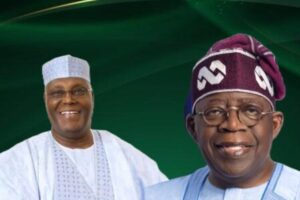


Economic Expansion has become the latest rallying phrase from President Bola Tinubu as he defended his administration’s controversial economic reforms while signaling the need for continuity beyond 2027. Speaking in defense of policies introduced since assuming office, Tinubu argued that the removal of fuel subsidy, currency market reforms, and infrastructure investments are designed to place Nigeria on a permanent path of economic growth despite the immediate hardship facing citizens.
The president’s remarks arrive at a politically sensitive moment when inflation, food prices, and transportation costs remain major concerns across Nigeria. Since the subsidy removal policy took effect in 2023, petrol prices have risen sharply, affecting nearly every sector of the economy. The administration, however, insists that previous subsidy payments were financially unsustainable and largely benefited corruption networks rather than ordinary Nigerians. Tinubu’s allies argue that the reforms are difficult but necessary corrections to years of economic imbalance.
“Another Four Years” Remark Sparks Debate Over Nigeria’s Economic Expansion
The Economic Expansion reforms introduced by the Tinubu administration have generated mixed reactions from economists, labour groups, and political observers. Supporters of the government point to increased state revenues, ongoing infrastructure projects, and attempts to stabilize public finances as evidence that the reforms may eventually deliver results. Officials have also repeatedly argued that the unification of the exchange rate system was necessary to attract investment and restore confidence in Nigeria’s financial structure.
Critics, however, say the social cost of the reforms has been severe. Inflation has continued to affect household incomes, while small businesses struggle with higher operating expenses linked to energy and transportation costs. Labour unions have staged protests and demanded wage adjustments to cushion the economic pressure on workers. Some analysts warn that while economic expansion reforms may be necessary, public trust could weaken if citizens continue to experience hardship without visible improvements in living conditions.
The political significance of Tinubu’s statement has also attracted attention ahead of the 2027 elections. By emphasizing “another four years,” the president appears to be framing the next election cycle around continuity versus reversal of his policies. Opposition voices have already questioned whether Nigerians are willing to endure prolonged sacrifice in exchange for promises of future prosperity. On social media, reactions ranged from cautious optimism to satire, with many users joking that patience has become Nigeria’s fastest-growing natural resource.
Even so, the administration continues to insist that Economic Expansion remains achievable if reforms are sustained over time. Government officials maintain that infrastructure investment, tax reforms, and efforts to improve revenue generation are part of a broader strategy to strengthen the economy beyond oil dependence. OGM News Nigeria will continue monitoring the long-term impact of these reforms, especially as public pressure, political expectations, and economic realities increasingly collide ahead of the next election cycle.
Table of Contents
Discover more from OGM News NG
Subscribe to get the latest posts sent to your email.