






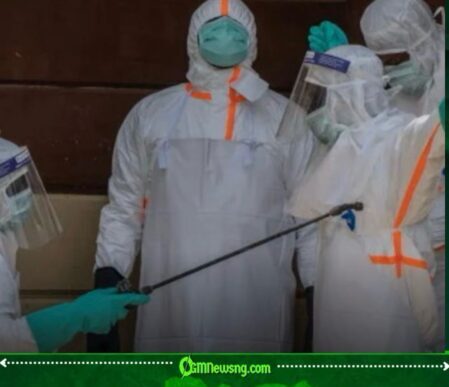
Ebola is no longer being viewed solely as a deadly infectious disease after the United Nations warned that the latest outbreak in the Democratic Republic of Congo could trigger one of Africa’s most damaging socioeconomic crises in recent years. Beyond the immediate public health emergency, the outbreak now threatens jobs, education, healthcare services and economic stability, with projections showing that nearly one million more people could fall into poverty if the situation deteriorates. The warning has intensified concern that the continent may be confronting a development emergency as significant as the medical one.
Delayed Action on Ebola Could Cost Africa Billions and Hundreds of Thousands of Jobs
The latest assessment indicates that the outbreak could eliminate tens of thousands of jobs while disrupting schools, hospitals and cross-border commerce. According to the United Nations Development Programme, the epidemic is already creating widespread socioeconomic pressures capable of reversing years of development gains if containment efforts fail. The warning comes as authorities continue responding to infections concentrated mainly in the Democratic Republic of Congo, with additional cases reported in neighbouring Uganda.
Although the immediate priority remains saving lives and containing infections, the wider consequences are becoming increasingly difficult to ignore. Light satire may suggest that Ebola has unexpectedly become Africa’s toughest economic adviser, but the underlying reality is far from amusing. Reduced trade, declining consumer confidence, interrupted transport and shrinking informal markets could affect millions of people who have never contracted the virus but nevertheless bear its economic consequences. The UNDP estimates that, under the most severe scenario, African economies could collectively lose as much as $3.6 billion.
UN Raises Alarm Over Jobs and Livelihoods as Ebola Spreads in DR Congo
Additional assessments suggest the current outbreak involves the Bundibugyo strain of Ebola, for which no widely tested vaccine or specific treatment currently exists. Health authorities have warned that conflict, population displacement and community mistrust are making response efforts significantly more difficult, especially in eastern Democratic Republic of Congo, where humanitarian conditions complicate surveillance, contact tracing and access to affected communities.
The UNDP’s modelling presents several possible outcomes. Even if the outbreak remains largely contained within the Democratic Republic of Congo and Uganda, Congo alone could still experience economic losses exceeding one billion dollars alongside tens of thousands of lost jobs. Should the virus spread further into neighbouring countries while additional regional economic pressures emerge, the projected damage could rise dramatically, affecting trade, public finances and household incomes across multiple African economies. Women and low-income households are expected to experience the greatest impact because many depend on informal businesses that are particularly vulnerable during health emergencies.
As governments, regional institutions and international partners intensify containment efforts, the Ebola outbreak serves as a reminder that infectious diseases rarely remain confined to hospitals. Their effects ripple through families, businesses and entire economies. OGM News Nigeria will continue monitoring developments as health officials work to contain the outbreak while policymakers seek to prevent poverty and economic disruption from becoming the outbreak’s longest-lasting legacy.
Table of Contents
Discover more from OGM News NG
Subscribe to get the latest posts sent to your email.