





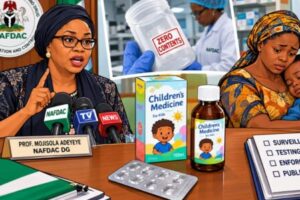



Ebola Resurgence concerns have prompted a fresh warning from Nigeria’s top disease control authority, with the Nigeria Centre for Disease Control and Prevention urging state governments to strengthen frontline health defenses before a potential crisis emerges. The appeal, delivered by Director-General Dr Jide Idris, comes as parts of Africa continue monitoring new Ebola-related developments, raising questions about whether Nigeria’s public health preparedness can withstand another major infectious disease threat. While there is currently no Ebola outbreak in Nigeria, the warning serves as a reminder that viruses rarely announce their arrival before crossing borders.
NCDC Warns States: Underfunded Health Systems Could Invite Ebola Resurgence Trouble
The Health Funding appeal was made during the third edition of the Adetokunbo Alakija Memorial Lecture and the induction of new members into the Nigerian Society of Travel Medicine in Lagos. Dr Idris called on governors across all 36 states to ensure adequate funding for health workers and disease prevention systems, emphasizing that preparedness remains the country’s strongest line of defense against imported outbreaks.
The warning reflects a broader strategy focused on prevention rather than reaction. Public health officials have repeatedly argued that investments in surveillance systems, laboratory capacity, emergency response teams, border monitoring, and workforce training are more effective and less costly than managing a full-scale outbreak. Although the appeal was delivered diplomatically, its underlying message carried urgency: a strong health system cannot be built in the middle of a crisis.
Africa’s Ebola Resurgence Sparks Fresh Questions About Nigeria’s Readiness
The Ebola Resurgence concern is not emerging in isolation. Health authorities across Africa have remained vigilant following recent Ebola-related outbreaks and monitoring efforts in several countries over recent years. These developments have reinforced the importance of regional cooperation, rapid disease detection, and information sharing among public health agencies.
Nigeria’s experience during the 2014 Ebola outbreak continues to shape current preparedness efforts. The country earned international recognition at the time for rapidly containing the virus through aggressive contact tracing, public awareness campaigns, and coordinated emergency action. That success is frequently cited as evidence that strong public health leadership and adequate resources can prevent a localized case from becoming a national disaster. However, experts caution that past success does not guarantee future outcomes, particularly if investment in public health systems weakens over time.
There is also a broader lesson embedded within the latest warning. Infectious diseases often expose weaknesses that remain hidden during normal periods. Hospitals, laboratories, border health units, and community surveillance networks may appear adequate until they face sustained pressure. In a lightly satirical sense, viruses have never shown much respect for budget debates, administrative delays, or election calendars.
As discussions around Health Funding continue, the NCDC’s appeal may ultimately be remembered as either an early warning that inspired stronger preparedness or a reminder of opportunities missed. For now, health authorities are urging vigilance rather than panic, emphasizing that Nigeria’s best protection against Ebola Resurgence remains a well-funded, well-trained, and well-equipped public health workforce capable of responding before a threat becomes a crisis.
Table of Contents
Discover more from OGM News NG
Subscribe to get the latest posts sent to your email.