






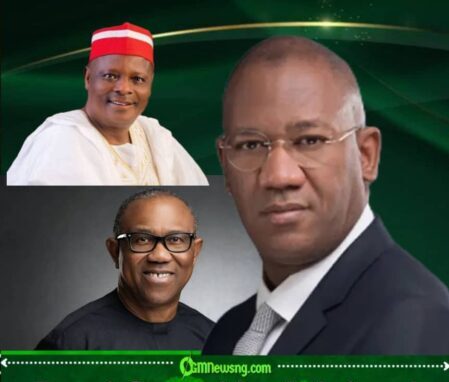
Obi-Kwankwaso Alliance has returned to the center of political discussion after former Labour Party vice-presidential candidate Yusuf Datti Baba-Ahmed disclosed that he personally advised Peter Obi to work with Rabiu Musa Kwankwaso. The revelation has revived one of Nigeria’s most persistent political debates: whether a united opposition front could have significantly altered the country’s electoral and political trajectory. The statement has generated renewed interest because it comes amid continuing political realignments and coalition-building efforts ahead of future elections.
Alliance Politics Suggested By Datti
Datti’s comments suggest that discussions surrounding cooperation between Obi and Kwankwaso were not merely speculative conversations among supporters but were serious strategic considerations. According to his account, he believed collaboration between the two politicians could strengthen opposition politics and create a broader national platform capable of attracting support across regional and demographic lines.
The Obi-Kwankwaso Alliance has long been viewed by political observers as a potentially influential combination because both politicians command loyal grassroots followings. Obi’s support base expanded significantly during the 2023 election cycle, particularly among younger voters and urban populations, while Kwankwaso maintains a strong political structure in parts of northern Nigeria through the Kwankwasiyya movement. Datti’s remarks have therefore reignited discussions about whether political coordination between both camps could have produced a different outcome or strengthened opposition bargaining power.
Realignments On Datti’s Advice
Recent political developments provide additional context to Datti’s remarks. Reports over the past several months indicate that opposition figures, including Obi and Kwankwaso, have explored various coalition arrangements and party platforms as preparations for future electoral contests continue. Discussions involving multiple parties and political movements have highlighted the growing importance of strategic alliances in Nigeria’s increasingly competitive political environment.
The broader debate extends beyond personalities. Analysts note that opposition politics in Nigeria often faces challenges related to coalition management, leadership ambitions, party structures, and regional interests. Datti’s latest comments therefore resonate not only because of his previous role as Obi’s running mate but also because they touch on a recurring question in Nigerian politics: whether opposition leaders can successfully unite behind a common strategy without becoming entangled in competing aspirations. Public reactions to his statement have reflected both optimism about coalition politics and skepticism about whether major political figures can sustain long-term partnerships.
As conversations around the Obi-Kwankwaso Alliance continue to gain attention, Datti’s remarks have added fresh fuel to a debate that remains unresolved. Whether his advice represented a missed opportunity or merely one of many possible political paths may never be definitively known. What is clear, however, is that coalition politics will remain a major factor in shaping Nigeria’s future political contests, and OGM News Nigeria will continue monitoring developments surrounding key opposition figures and emerging alliances.
Table of Contents
Discover more from OGM News NG
Subscribe to get the latest posts sent to your email.