



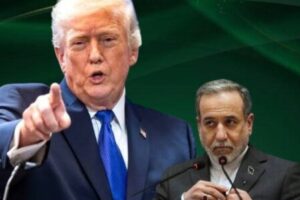



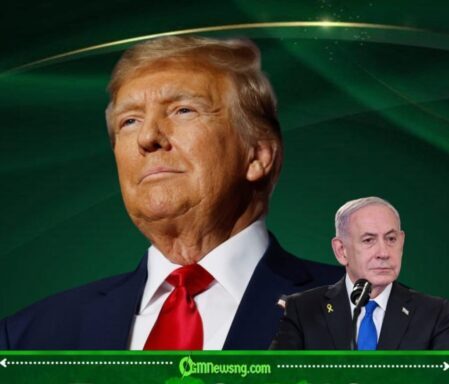
Trump and Iran have once again become the center of a global political debate after President Donald Trump indicated that he does not want the United States drawn into a war with Iran on behalf of Israeli Prime Minister Benjamin Netanyahu. The remarks have sparked intense discussion across diplomatic circles, with supporters praising the stance as a commitment to American interests while critics question what it could mean for one of Washington’s most important alliances. As tensions continue to simmer in the Middle East, Trump’s comments have added a fresh layer of intrigue to an already complex geopolitical landscape.
Donald Trump Refuses to Let America Fight Netanyahu’s Battle
President Trump’s remarks appeared to underscore a broader belief that the United States should make foreign policy decisions based on its own national interests rather than automatically becoming involved in every conflict affecting its allies. While reaffirming support for Israel’s security, Trump suggested that avoiding a wider regional war remains a priority, particularly at a time when global economic and security concerns are already placing pressure on governments around the world.
The comments quickly generated reactions from political observers who noted that Trump’s approach differs from traditional expectations surrounding U.S.-Israel relations. Supporters argue that many American voters have grown weary of prolonged military engagements overseas and prefer diplomatic solutions whenever possible. Critics, however, contend that public disagreements between allies can create uncertainty at a time when regional stability remains fragile and adversaries are closely monitoring every development.
Donald Trump Breaks Ranks With Israel Over Iran Strategy
The latest developments highlight an increasingly visible debate over how Iran should be handled moving forward. While some policymakers advocate stronger measures designed to increase pressure on Tehran, others argue that diplomacy and strategic restraint offer a more sustainable path toward reducing tensions. Trump’s remarks have placed him firmly within a conversation that extends beyond immediate events and into the broader question of America’s future role in the Middle East.
Political analysts note that disagreements between allies are not unusual, especially during periods of heightened tension. Throughout modern history, leaders in Washington and Jerusalem have occasionally differed on tactics even while maintaining strong strategic ties. The current discussion surrounding Trump and Iran reflects those recurring challenges, as policymakers attempt to balance deterrence, diplomacy, regional security, and domestic political considerations.
For now, Donald Trump’s position appears clear: support for allies should not automatically translate into military involvement. Whether that approach ultimately reduces tensions or creates new diplomatic challenges remains uncertain. What is certain is that the Trump-Iran debate has once again placed questions about war, diplomacy, and national interest at the forefront of international politics. OGM News Nigeria will continue monitoring developments as policymakers, allies, and regional actors navigate the next chapter of this evolving story.
Table of Contents
Discover more from OGM News NG
Subscribe to get the latest posts sent to your email.