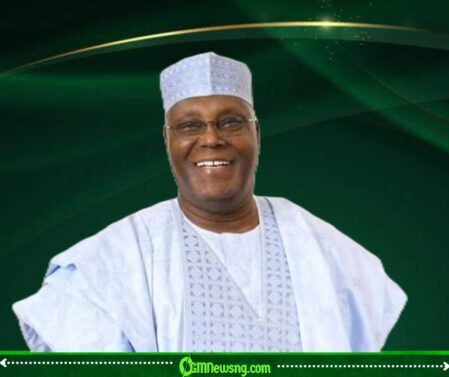






Diplomatic took an unusually dramatic turn this week as Nigeria’s newly appointed ambassador to the United States formally presented his letter of credence to President Donald J. Trump at the White House, officially beginning a high-profile assignment that has already triggered political conversations across Abuja and Washington. The ceremony marked more than a diplomatic ritual; it represented the latest example of how intelligence and statecraft are becoming increasingly intertwined in Nigeria’s foreign policy calculations.
Credence On Repositioning Nigeria Diplomacy
The appointment forms part of the ambassadorial nominations submitted by President Bola Tinubu to the Senate in late 2025, a move that reflected the administration’s wider effort to reposition Nigeria’s diplomatic representation abroad. By selecting a former director-general of the Department of State Services for one of the country’s most sensitive foreign postings, the government appears determined to prioritize security experience alongside diplomatic engagement.
The presentation of letters of credence is a longstanding international diplomatic tradition that formally authorizes ambassadors to represent their countries abroad. Yet, beyond the ceremonial photographs and official handshakes, the significance of this particular assignment lies in the timing. Nigeria continues to seek stronger cooperation with the United States on counterterrorism, economic investment, migration management, and regional security in West Africa. Analysts believe the administration may see an intelligence-trained diplomat as an advantage in navigating increasingly complex global security relationships.
Policies Diplomacy via Visa Related
The diplomatic landscape between Nigeria and the United States has evolved considerably over the past decade, particularly around issues involving terrorism, cybersecurity, illicit financial flows, and democratic governance. Nigeria remains one of Washington’s most important strategic partners in Africa, despite periodic disagreements over corruption, human rights concerns, and visa-related policies affecting Nigerian citizens.
Political observers note that appointing former security officials into diplomatic positions is not entirely unusual globally, but in Nigeria’s case, it continues to generate debate about the shrinking boundary between intelligence networks and civilian diplomacy. Critics argue that such appointments may weaken the professional diplomatic corps by sidelining career foreign service officers, while supporters insist that modern diplomacy increasingly requires individuals experienced in crisis management, intelligence coordination, and high-level state negotiations.
The development also arrives at a time when President Tinubu’s administration is attempting to project stability and competence internationally while confronting domestic economic hardship, security pressures, and political criticism at home. In that context, every major foreign appointment carries symbolic weight, particularly in Washington, where diplomatic optics often shape broader international perceptions of governance and leadership.
For now, the newly inaugurated ambassador begins his assignment under intense public scrutiny, balancing diplomatic protocol with political expectations from both Abuja and Washington. OGM News Nigeria understands that further engagements between both countries in the coming months may reveal whether this unusual blend of intelligence experience and diplomacy becomes a strategic success story or simply another controversial chapter in Nigeria’s political appointment culture.
Table of Contents
Discover more from OGM News NG
Subscribe to get the latest posts sent to your email.