








Democracy Day celebrations are approaching with renewed attention on Democratic Governance, as the Federal Government has reaffirmed its commitment to strengthening democratic institutions, promoting national unity, and addressing the challenges confronting Nigeria. The announcement comes at a symbolic moment, with citizens preparing to commemorate 27 years of democratic rule while simultaneously assessing the state of the nation. As officials speak of progress and unity, many Nigerians are asking a familiar question: how much of the democratic promise has translated into measurable change?
Democracy Day Arrives with Fresh Questions About National Unity
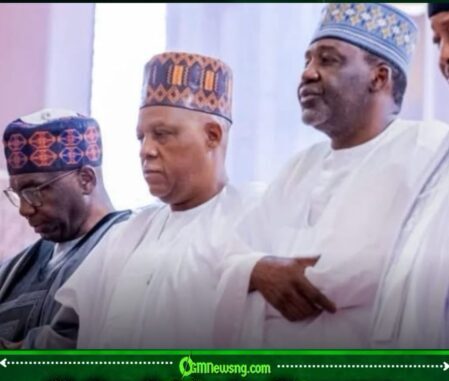
The Democracy Day message was conveyed by the Minister of Information and National Orientation, Mohammed Idris, following a special Juma’at prayer organized as part of activities marking the June 12 celebration. According to the minister, the gathering offered an opportunity for Nigerians to seek divine guidance for the nation while reflecting on their collective responsibility toward peace, stability, and development.
The emphasis on Democratic Governance reflects the government’s effort to reinforce confidence in democratic institutions at a time when public expectations remain high. June 12 occupies a unique place in Nigeria’s political history, symbolizing the sacrifices made in the struggle for democratic rule. Consequently, annual celebrations often serve not only as commemorations but also as opportunities for leaders and citizens alike to evaluate the nation’s democratic journey.
Democracy Day Prayer Session Features Nigeria’s Most Experienced Wish List
Democratic Governance remains a central topic of national discussion because democracy is increasingly judged not only by elections but also by governance outcomes. Over the years, Nigeria has recorded significant democratic milestones, including multiple peaceful transfers of power and the continued operation of constitutional institutions. However, concerns relating to economic pressures, insecurity, unemployment, and infrastructure challenges continue to shape public perceptions of democratic performance.
The significance of Democracy Day extends beyond ceremonial events. Political analysts frequently note that national unity and democratic stability depend heavily on public trust, civic participation, and institutional accountability. While prayer services and official statements symbolize national aspirations, many citizens continue to evaluate democracy through practical indicators such as security, economic opportunity, social welfare, and government responsiveness. In a light satirical sense, June 12 has become the one day of the year when nearly everyone agrees democracy is precious, even if opinions differ sharply on how well it is working.
As Nigeria marks another Democracy Day, the challenge for policymakers will be transforming democratic ideals into outcomes that citizens can directly experience. The government’s renewed commitment to Democratic Governance provides an opportunity to reinforce public confidence, but expectations remain high. OGM News Nigeria will continue monitoring developments surrounding Democracy Day celebrations and the broader efforts to strengthen democratic institutions, national unity, and sustainable development across the country.
Table of Contents
Discover more from OGM News NG
Subscribe to get the latest posts sent to your email.