






Debt Spiral has returned to dominate Nigeria’s economic conversation after reports emerged that the Federal Government is in active discussions with the World Bank over a proposed $1.25 billion loan package. While government officials are expected to present the move as a strategic effort to support national development and stabilize key sectors, many citizens are asking a more direct question: when does borrowing for growth begin to look like borrowing for survival?
The proposed loan, if finalized, would become one of several major financing arrangements Nigeria has pursued in recent years as it navigates subsidy reforms, inflation pressures, and fiscal restructuring. The timing is especially significant, with households across the country already feeling the weight of rising costs, making any new debt announcement politically sensitive and economically consequential.
Debt Spiral: The Government’s Expanding Borrowing Strategy
Federal authorities have increasingly turned to multilateral lenders such as the World Bank to support reform programs tied to infrastructure, social welfare, and public sector transformation. Previous financing arrangements have included support for energy access, education improvement, healthcare delivery, and economic stabilization initiatives worth billions of dollars.
Debt Spiral concerns are intensifying because many of these loans arrive with strict reform expectations, including fiscal discipline measures, subsidy restructuring, and tax adjustments. While policymakers argue such borrowing provides low-interest, long-term support, critics question whether the nation is becoming overly dependent on external financing instead of building stronger domestic revenue systems.
Rising Debt, Public Skepticism, and the Bigger Economic Picture
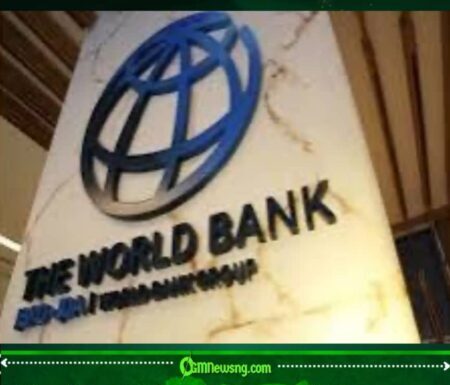
Nigeria’s broader relationship with the World Bank has expanded significantly, with the institution remaining one of the country’s largest external lenders. Recent approvals have included over $1 billion for education, nutrition, and economic resilience, alongside previous packages aimed at stabilizing government finances and strengthening essential public services.
For many Nigerians, however, the public debate is no longer simply about access to international capital—it is about visible outcomes. Citizens increasingly want proof that borrowed funds are producing measurable improvements in electricity supply, employment opportunities, healthcare access, and overall living standards. Without that trust, each new borrowing announcement risks fueling frustration rather than confidence.
As negotiations continue, attention will likely turn toward the exact terms of the proposed loan and the projects it intends to support. Debt Spiral may be the phrase dominating public discourse today, but the real story will be determined by whether this latest financial pursuit delivers meaningful progress—or merely adds another figure to Nigeria’s growing ledger of borrowed promises.
Table of Contents
Discover more from OGM News NG
Subscribe to get the latest posts sent to your email.