








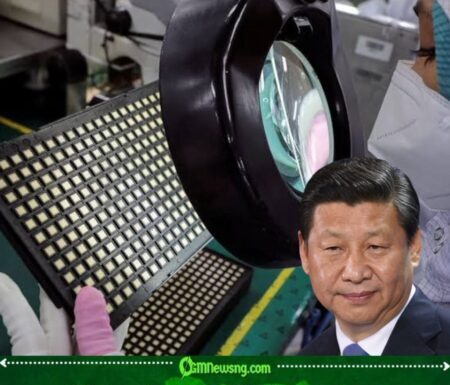
China has come under renewed scrutiny following reports that its top chipmaker, SMIC, supplied chipmaking technology to Iran’s military-linked sector, according to U.S. officials. China’s involvement, as described in the reports, allegedly includes not just equipment but also possible technical training, raising concerns about the depth of cooperation.
The development has intensified geopolitical tensions, particularly as it intersects with ongoing conflicts and broader strategic rivalries. Analysts say such transfers, if confirmed, could significantly enhance Iran’s domestic capability to produce electronics used in defense systems.
Officials have not publicly confirmed whether the transferred tools included restricted U.S.-origin technology, which would constitute a violation of existing sanctions. The lack of clarity has left room for speculation and further investigation.
Background on SMIC and Global Chip Politics
China’s Semiconductor Manufacturing International Corporation (SMIC) is the country’s largest and most advanced chipmaker, playing a central role in Beijing’s push for technological self-reliance. China has invested heavily in the semiconductor sector to reduce dependence on Western technology.
Despite this progress, SMIC remains constrained by international sanctions that limit its access to the most advanced chipmaking equipment. These restrictions have slowed its ability to compete with leading global manufacturers but have not halted its expansion.
The global semiconductor industry has increasingly become a focal point of strategic competition, with governments viewing chip production as critical to both economic and national security interests.
China and Expanding Strategic Partnerships
China’s reported link to Iran’s chipmaking efforts highlights a broader pattern of deepening cooperation between the two countries. China has maintained that its trade relationships are legitimate and part of normal international engagement, even as critics question the implications.
Such partnerships often extend beyond economic ties, touching on areas of technology transfer, infrastructure development, and defense cooperation. These dynamics have drawn increased attention from Western policymakers.
The situation underscores how technological collaboration can become entangled with geopolitical rivalries, especially when sensitive industries like semiconductors are involved.
International Reactions and Concerns
China’s alleged role in supplying chipmaking technology to Iran has triggered concern among U.S. and allied officials, who worry about the potential military applications of such technology. China’s actions, as reported, could complicate efforts to contain the spread of advanced capabilities.
Some policymakers argue that stricter enforcement of export controls may be necessary to prevent sensitive technologies from reaching sanctioned entities. Others caution that excessive restrictions could further fragment global supply chains.
The issue reflects a broader challenge facing the international community: balancing economic engagement with security considerations in an increasingly interconnected world.
China and the Broader Tech Competition
China’s semiconductor ambitions have long been a point of contention in its relationship with the United States. China has sought to build a self-sufficient chip industry, even as it faces barriers imposed by export controls and sanctions.
These efforts have included developing domestic alternatives to foreign technology and investing in research and development. While progress has been made, significant gaps remain compared to leading-edge producers.
The reported transfer to Iran may add a new dimension to this competition, potentially prompting further policy responses and escalating tensions between major powers.
Outlook and Global Implications
China’s alleged involvement in supporting Iran’s chipmaking capabilities highlights the growing intersection of technology and geopolitics. Chin’s role in global supply chains ensures that its actions will continue to attract close scrutiny.
The long-term impact of these developments will depend on how governments respond, including whether new sanctions or diplomatic measures are introduced. The situation may also influence how companies navigate an increasingly complex regulatory environment.
As the story unfolds, it is likely to remain a key issue in discussions about global security, technological competition, and the future of international cooperation.
Table of Contents
Discover more from OGM News NG
Subscribe to get the latest posts sent to your email.