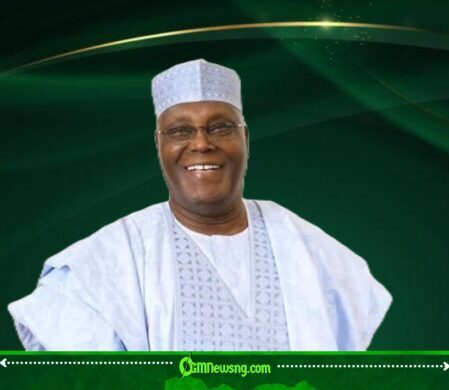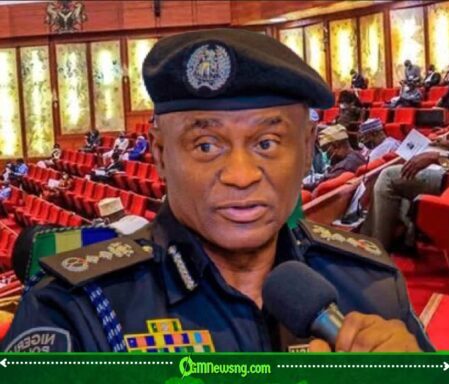




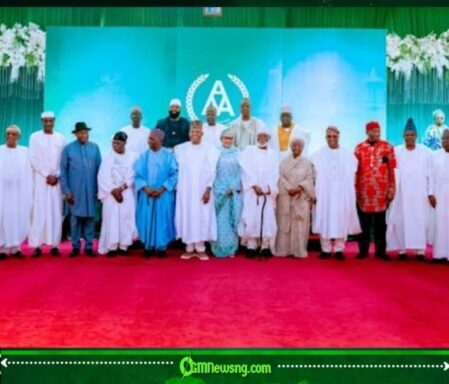
Abdulsalami Legacy dominated discussions in Abuja as President Bola Tinubu, former Presidents Olusegun Obasanjo and Goodluck Jonathan joined prominent national figures to celebrate former Head of State General Abdulsalami Abubakar at a book presentation and birthday event. The gathering was notable not merely because of the personalities involved, but because it showcased an unusual consensus among leaders often separated by political differences. As tributes poured in, the event raised a broader question about how Nigeria remembers those associated with critical moments in its democratic evolution.
Abdulsalami Legacy
The celebration coincided with the presentation of several publications examining Abdulsalami Abubakar’s contributions to governance, peacebuilding and national development. Speakers repeatedly highlighted his role in supervising Nigeria’s transition from military rule to democratic governance in 1999, a decision many historians regard as one of the most significant turning points in the country’s modern political history.
Former President Obasanjo described Abdulsalami as of the military leaders whose decisions helped preserve national stability during difficult periods, while Jonathan praised his refusal to extend military rule despite reported pressures from influential interests. Both leaders portrayed Abdulsalami’s actions as evidence that leadership sometimes involves knowing when to relinquish power rather than retain it.
Democracy Day Event To Celebrate Abdulsalami Legacy
The emphasis on Democracy during the event reflected broader national conversations taking place around Nigeria’s democratic journey. The celebration occurred shortly after the country marked another Democracy Day, with renewed public debate about governance, security, economic reforms and the future of democratic institutions.
Abdulsalami’s post-retirement role has also contributed significantly to his public image. Through peace initiatives and mediation efforts, he has remained active in national and continental affairs long after leaving office. Supporters argue that this continued engagement has strengthened his reputation as an elder statesman rather than simply a former military ruler. His stewardship of the transition to civilian rule remains a central reason why leaders across different administrations continue to reference his tenure when discussing democratic stability.
The Abuja gathering ultimately served as both a celebration and a reminder. While the books and tributes focused on Abdulsalami Legacy and Democracy, they also highlighted the enduring challenge facing Nigeria’s political class: transforming celebrated historical achievements into present-day progress. As debates about governance continue, the event offered a moment of reflection on leadership, national unity and the responsibilities that come with public service. OGM News Nigeria will continue monitoring reactions and developments arising from discussions surrounding democratic governance and national leadership.
Table of Contents
Discover more from OGM News NG
Subscribe to get the latest posts sent to your email.