










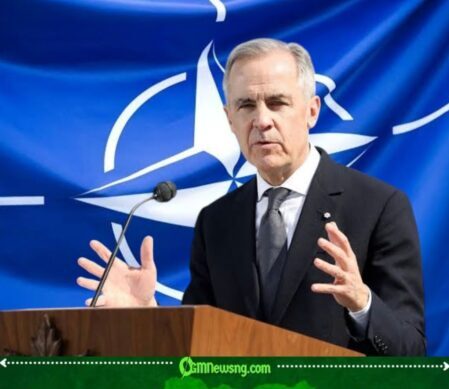
Canadian Prime Minister Carney Mark has committed to pursuing an unprecedented relationship with the European Union, positioning Canada to become the bloc’s first-ever associate member in a move that could reshape international economic and political partnerships. Following a Canada-EU summit in Montreal on October 30, 2026, Prime Minister Carney announced that both sides would work towards establishing the deepest possible partnership without Canada becoming a full EU member. The development has attracted considerable international attention, with negotiations expected to reach a conclusion by June 2027.
The announcement represents a significant step in Canada’s efforts to strengthen relationships beyond its traditional dependence on the United States. With international trade tensions and shifting geopolitical alliances creating fresh uncertainties, Carney appears determined to give Canada more options. Apparently, Canada has decided that having European friends is no longer just a matter of exchanging Christmas cards.
Prime Minister Carney Sets His Sights on Historic European Partnership
Prime Minister Carney declared that Canada was working towards becoming the European Union’s first associate member, describing the proposed arrangement as a partnership that would stop short of full membership. The initiative follows European Commission President Ursula von der Leyen’s September proposal, which Carney subsequently welcomed during his address to the European Parliament.
However, the proposed status is not yet an established category under EU treaties, and its precise legal and institutional meaning remains undefined. Some European countries, particularly Germany, have expressed reservations about the terminology. Interestingly, while politicians are already discussing the historic possibilities, the proposed membership arrangement is still waiting for its official instruction manual.
Trade, Technology and Security Take Centre Stage
Prime Minister Carney also highlighted the economic and strategic advantages of closer cooperation, including artificial intelligence, critical minerals, energy security, defence, research and digital infrastructure. The newly launched Alliance for the Future is intended to strengthen cooperation between Canada and Europe while improving their collective resilience against international economic and security pressures.
The proposed partnership also comes against the background of strained Canada-US trade relations under US President Donald J. Trump. Canada has been seeking to diversify its international trade relationships, particularly as the United States remains its largest merchandise export destination. Meanwhile, Carney’s European ambitions have attracted criticism and concern over how far the arrangement could go, including questions about national sovereignty and the approval required from European governments and Canada’s Parliament.
As negotiations approach their expected June 2027 deadline, the world will be watching to see whether Prime Minister Carney can turn this ambitious proposal into a functioning international arrangement. For now, Canada is not joining the European Union as a full member, and the proposed associate status remains under development. Will this become a historic diplomatic breakthrough or another ambitious international arrangement caught in political negotiations? Stay connected to OGM News NG for further updates as this story develops.
Table of Contents
Discover more from OGM News NG
Subscribe to get the latest posts sent to your email.