








The Trump administration is at the centre of renewed debate over America’s commitment to NATO and the future of Western support for Ukraine. A claim that Washington has forbidden NATO members from helping Ukraine in any way, threatening to withdraw the United States from the alliance if they disobey, would represent a dramatic escalation in transatlantic relations. Although this specific blanket ultimatum has not been independently verified, recent developments show that disagreements over Ukraine, military assistance and the limits of American support are real and increasingly consequential.
Trump Administration Faces Growing Tensions Over Ukraine Support
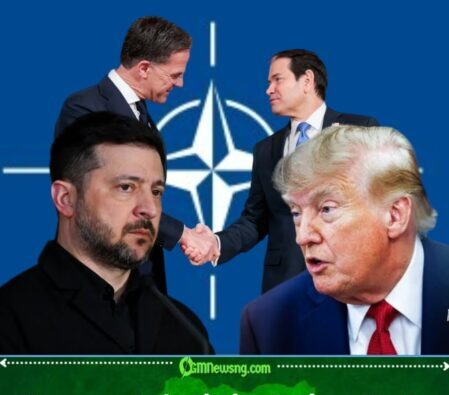
The Trump administration has pursued a more conditional approach to supporting Ukraine, placing greater responsibility on European allies and linking American assistance to its wider strategic objectives. In July 2026, NATO allies reaffirmed their commitment to Ukraine, pledging €70 billion in military equipment, assistance and training for the year. The alliance also emphasised that European countries and Canada were taking greater responsibility for funding Ukraine’s defence. These developments illustrate the growing importance of European contributions as Washington reassesses its role.
In a satirical twist, NATO’s diplomatic corridors could soon require a new sign: “Allies Welcome, but Please Check Washington’s Conditions Before Offering Assistance.” European leaders may find themselves balancing support for a country fighting for survival against the challenge of maintaining a reliable relationship with their most powerful military partner. For an alliance built around collective security, the possibility of political disagreements turning into ultimatums is hardly a comforting development.
Trump Administration Raises Questions About NATO’s Future
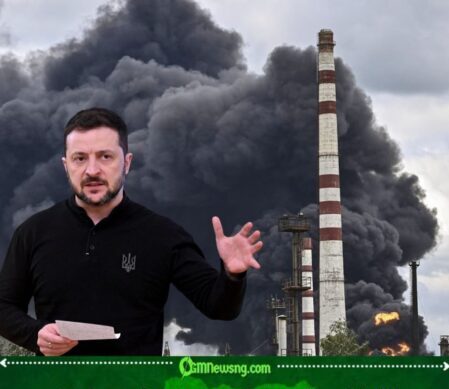
The Trump administration’s reported position would raise serious questions about whether the United States could remain committed to an alliance whose members retain the freedom to make their own foreign-policy decisions. Recent reporting has described Washington pressuring Ukraine to stop attacks on Russian oil refineries, with potential restrictions on American intelligence and military support discussed as leverage. However, that reported pressure is not the same as a verified order forbidding every NATO member from assisting Ukraine.
Meanwhile, NATO’s founding treaty provides a formal withdrawal procedure. Under Article 13, a member can leave the alliance one year after giving official notice. The possibility of an American withdrawal would therefore carry consequences far beyond a dramatic announcement or a tense press conference. In satirical terms, NATO could find itself trying to organise a family reunion while one relative threatens to take the car, cancel the booking and leave everyone arguing over who pays the bill.
The central question is whether disagreements over Ukraine will lead to a lasting fracture in transatlantic relations or push European allies to assume even greater responsibility for their own security. The Trump administration remains a decisive factor in this debate, and the difference between a verified policy and an unconfirmed claim matters greatly. OGM News NG will continue monitoring developments and bring readers further updates as reliable information emerges.
Table of Contents
Discover more from OGM News NG
Subscribe to get the latest posts sent to your email.