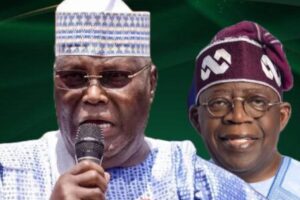


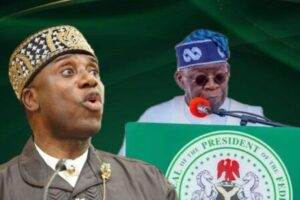

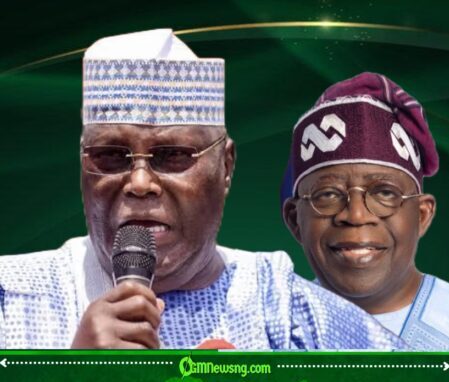
Nigeria’s fuel-price debate has taken another international turn, with former Vice-President and African Democratic Congress (ADC) presidential candidate Atiku Abubakar asking President Bola Tinubu to take a cue from Germany’s temporary fuel-tax relief. Atiku argues that when fuel becomes expensive, the pain quickly travels from the filling station to transport fares, markets and household budgets. His intervention has effectively turned Germany’s fuel-tax policy into the latest exhibit in Nigeria’s long-running argument over how much government should intervene when living costs rise.
Germany Presses the Relief Button as Nigeria Debates the Subsidy Question
Germany’s government has confirmed a temporary reduction in energy taxes on petrol and diesel from October 1 to December 31, 2026. The reduction is about 14 cents per litre before the associated VAT effect, bringing the overall relief to approximately 17 cents per litre, with the federal and state governments estimating the package at about €2.5 billion.
That is the policy Atiku has placed before Nigeria’s economic debate, essentially asking why Nigerians should watch another country reach for a fuel-relief lever while they continue to debate whether such a lever should exist. In his statement, Atiku said the German example demonstrated that governments could intervene when fuel costs put pressure on families, while proposing targeted support for petrol refined domestically in Nigeria.
Atiku’s Domestic-Refining Proposal Arrives With Its Own Fine Print
Atiku says his alternative would not simply revive blanket support for imported petrol. His proposal is for targeted and budgeted support for locally refined fuel, backed by auditing and safeguards against diversion and price manipulation. According to him, support would follow the barrel refined in Nigeria, with the intended chain running from domestic production to lower fuel costs, cheaper transportation and reduced pressure on household budgets.
But the proposal has already attracted questions from the Tinubu administration and its supporters. The State House previously argued that Atiku should explain the legal, fiscal and practical basis of the proposed production subsidy, while pointing to the Petroleum Industry Act’s market-pricing framework. That means the political argument is not merely about whether fuel should be cheaper; it also involves who pays, how the relief reaches consumers and what legal mechanism would administer it.
Atiku, meanwhile, has framed the matter in human terms, saying Nigerians should not have to choose between food, transportation and other basic needs. His message has therefore added another layer to the country’s fuel debate: Germany has temporarily chosen tax relief, while Nigeria continues to wrestle with the consequences, cost and design of fuel-policy intervention. The satire writes itself—but the bills facing households are very real.
In the end, Atiku’s Germany comparison has reopened a familiar Nigerian question: when fuel prices rise sharply, should government simply allow the market to adjust, or should it intervene to cushion households—and if it intervenes, how can Nigerians be sure the relief actually reaches them? With the 2027 political contest already shaping economic arguments, OGM News NG will watch how the fuel debate develops and bring readers further updates
Table of Contents
Discover more from OGM News NG
Subscribe to get the latest posts sent to your email.