







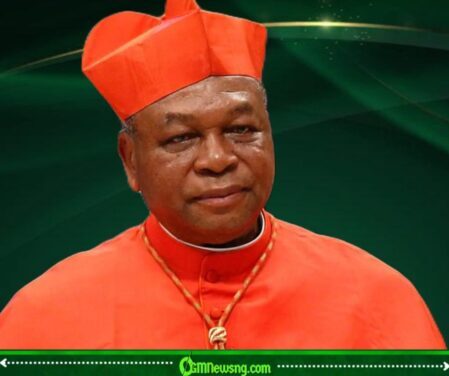
As Nigeria moves steadily toward the 2027 general elections, Cardinal John Onaiyekan and former Nigerian Bar Association President Mazi Afam Osigwe, SAN, have raised a familiar but increasingly important democratic question: should election victories be settled by voters at polling units or by lawyers and judges months after the ballots have been counted? Speaking at the 22nd All Nigeria Editors Conference in Enugu, the two voices joined other participants in warning about the consequences of making the judiciary the final political battlefield.
When the Ballot Box Meets the Courtroom
The message is particularly relevant because Nigeria’s electoral history has repeatedly seen presidential contests continue long after polling day. In the 2023 presidential election, challenges to President Bola Tinubu’s victory moved from the Presidential Election Petition Court to the Supreme Court, with both courts ultimately affirming his election.
In satirical terms, Nigerians may therefore be forgiven for wondering whether the 2027 election will come with two separate match days: the first at polling stations and the second inside courtrooms. But behind the humour lies a serious democratic issue. Election petitions are a legitimate part of the legal system, yet Onaiyekan and Osigwe are arguing that the primary political decision should ideally emerge from credible voting rather than prolonged litigation.
INEC Has Already Started Preparing for 2027
The Independent National Electoral Commission has fixed January 16, 2027, for the presidential and National Assembly elections, with governorship and State House of Assembly elections scheduled for February 6, 2027. INEC has also been reviewing its regulations to align them with the Electoral Act 2026 and has identified issues such as party disputes, financial disclosure and compliance as areas that can contribute to avoidable litigation.
Yet the courts will not disappear from the electoral process simply because politicians prefer the ballot box. Nigeria’s electoral laws provide legal avenues for candidates and political parties to challenge elections, with statutory timelines governing petitions and judicial decisions. Recent 2026 litigation over INEC’s 2027 election guidelines itself illustrates how electoral disagreements can enter the courtroom even before voters cast their ballots.
The bigger challenge, therefore, is not simply telling politicians to stay away from court. It is creating an electoral process in which citizens can trust that their votes are accurately counted, parties can trust the rules, and genuine disputes can be resolved transparently without turning every major electio into a sequel titled The Battle of the Lawyers. As 2027 approaches, the call from Onaiyekan and Osigwe puts renewed attention on the ballot box, electoral credibility and the responsibility of all political actors to respect the voters’ decision. OGM News NG will continue to watch developments as Nigeria’s 2027 political drama moves closer to the polling booth.
Table of Contents
Discover more from OGM News NG
Subscribe to get the latest posts sent to your email.