








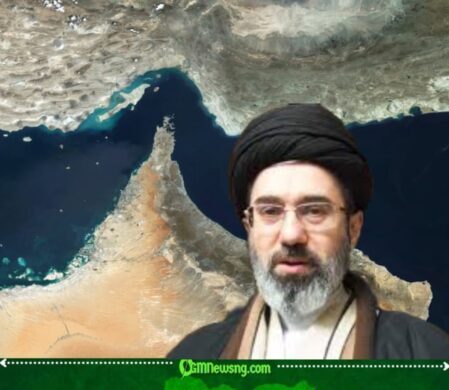
Iran has reportedly described the strategically vital Strait of Hormuz as its equivalent of a “nuclear weapon” against the United States, turning one of the world’s most important waterways into the latest heavyweight contender in an already crowded geopolitical boxing ring. The remark comes amid escalating confrontation between Washington and Tehran, with shipping through the waterway severely disrupted and both sides trading threats over who ultimately controls the strategic passage. Recent reporting confirms that Iran has been threatening restrictions on maritime traffic and preparing additional measures around the Gulf.
The comparison does not mean that the Strait is literally a nuclear weapon. Rather, it highlights the enormous economic and strategic leverage associated with a waterway through which a significant share of global energy supplies normally passes. With oil prices reacting to disruptions and commercial vessels facing increasing uncertainty, a stretch of water has suddenly acquired the political importance of a five-star military headquarters.
Iran Turns a Waterway Into a Strategic Weapon
The Strait of Hormuz has become a central battleground in the confrontation. Iranian officials have warned of restrictions on shipping and have discussed establishing a maritime exclusion zone, while U.S. forces have sought to maintain or restore maritime access. Reuters reported that vessel traffic through the strait has fallen sharply amid the confrontation, adding pressure to already unsettled global energy markets.
From the satirical corner of international affairs, the message appears remarkably simple: forget missiles for a moment and look at the shipping timetable. If the oil tankers cannot move, everybody suddenly discovers that geography has its own diplomatic department. The Strait has effectively become the sort of bargaining chip that does not need to speak loudly because the price of oil is perfectly capable of doing the shouting.
Iran and the US Face Off Over Control
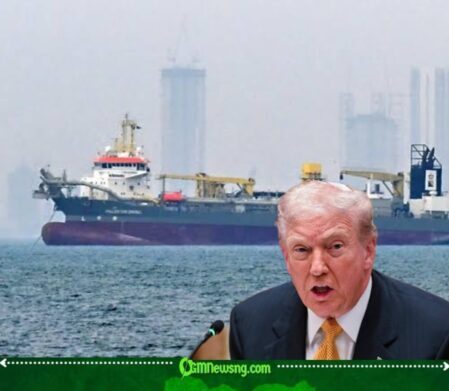
President Donald J. Trump has taken the opposite position, repeatedly asserting that the United States controls the Strait. The White House has said U.S. forces have been protecting commercial shipping and preventing Iran from using the waterway to exert economic pressure.
The standoff has therefore produced an unusual geopolitical argument: two powers are effectively telling the same body of water that it belongs to their side. Iran has threatened further restrictions, while Washington has warned of consequences for attacks on ships and sought to maintain maritime access. With military forces operating around one of the world’s most important shipping routes, what began as a dispute over control of a strait has become a much larger contest over energy, security and strategic influence.
The Strait of Hormuz remains at the heart of the confrontation, and its future could have consequences well beyond the United States and Iran, particularly for global energy markets and international shipping. As both sides continue their war of words and military pressure, OGM News NG will be watching closely for the next move—and, judging by recent developments, the Strait may have plenty more headlines left to generate.
Table of Contents
Discover more from OGM News NG
Subscribe to get the latest posts sent to your email.