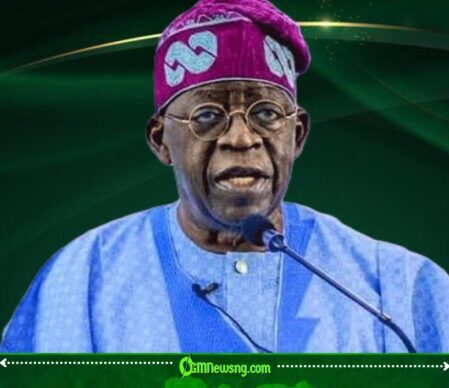


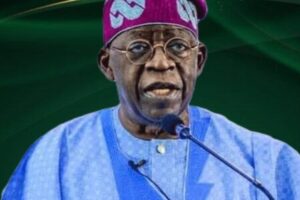


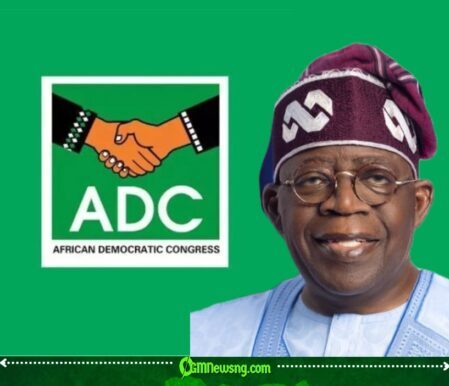
President Bola Ahmed Tinubu has once again found himself under pressure over Nigeria’s electricity crisis, with the African Democratic Congress Presidential Campaign Council (ADC-PCC) challenging him to explain why reliable power supply remains elusive despite his 2023 campaign promise. The opposition council says Nigerians are still waiting for the electricity they were promised, even as the President renews his commitment to fixing the country’s power sector ahead of the 2027 general election. Apparently, electricity has become one of those political promises that refuses to go off the campaign microphone and come on through the national grid.
In a statement issued by its Director of Media and Publicity, Kola Ologbondiyan, the ADC-PCC questioned the President’s record, particularly following his recent campaign appearances in Kaduna, Rivers and Jigawa states. The council recalled Tinubu’s famous campaign declaration: “If I don’t give you electricity, don’t vote for me for a second term.” Now, with another election approaching, the opposition wants Nigerians to examine the difference between campaign assurances and the electricity supply experienced in their homes and businesses.
THE PROMISE THAT REFUSES TO DISAPPEAR FROM NIGERIA’S POLITICAL CONVERSATION
The ADC-PCC argued that President Tinubu should be explaining what has happened to his earlier electricity commitment rather than making fresh promises during political engagements. Its criticism followed the President’s renewed pledge at an APC rally in Jigawa State on November 10, 2026, where he promised Nigerians reliable electricity and criticised the existing privatisation model. The development has reopened an uncomfortable political conversation: if reliable electricity was a major campaign commitment in 2023, what measurable progress can Nigerians point to today? Daily Post Nigeria +1
For ordinary Nigerians, the electricity debate is not merely about political speeches or competing party statements. It is about businesses struggling with generator expenses, students searching for alternative ways to study, households spending more on fuel and manufacturers battling the cost of self-generated electricity. The government has announced interventions, including a ₦3.3 trillion payment plan to settle verified legacy debts in the power sector and fresh plans to stabilise the national grid. However, the opposition’s argument is that financial commitments and policy announcements must ultimately translate into dependable electricity for consumers. The State House, Abuja +1
ADC QUESTIONS 2,000 TRACTORS AS ELECTRICITY ACCOUNTABILITY BATTLE INTENSIFIES
Beyond electricity, the ADC-PCC has raised another question concerning the reported importation of 2,000 tractors from Brazil under the administration’s mechanised farming programme. The council wants to know where the tractors are and what measurable contribution they have made to agricultural production. In a country where farmers face rising production costs and food prices remain a major concern, the whereabouts and practical impact of such agricultural equipment deserve public clarification. The government should provide verifiable information about their distribution, deployment and operational results rather than allowing the matter to become another political talking point.
The opposition council also accused Tinubu of taking credit for projects initiated under his predecessor, Muhammadu Buhari, while failing to demonstrate sufficient achievements of his own. These are political allegations from the ADC-PCC and should be distinguished from independently established facts. Nevertheless, they raise an important question about how Nigerians should evaluate government performance: should an administration be judged by the number of projects it announces, the number of promises it repeats, or the actual improvements citizens experience? For electricity consumers, the answer is probably simpler: they want dependable power, not another explanation for why the lights are out.
The ADC-PCC’s latest criticism has placed Tinubu’s electricity promise, the reported 2,000 Brazilian tractors and the administration’s wider performance back under public scrutiny. While the Federal Government maintains that power-sector reforms and grid investments are ongoing, Nigerians will ultimately judge the administration by tangible results rather than campaign declarations. If electricity remains a major campaign issue in 2027, the question of whether the President has delivered on his earlier commitment will become increasingly difficult to avoid. OGM News NG will continue monitoring the political exchanges and the government’s response. Nigerians are watching, and the national grid has yet to provide the final answer.
Table of Contents
Discover more from OGM News NG
Subscribe to get the latest posts sent to your email.