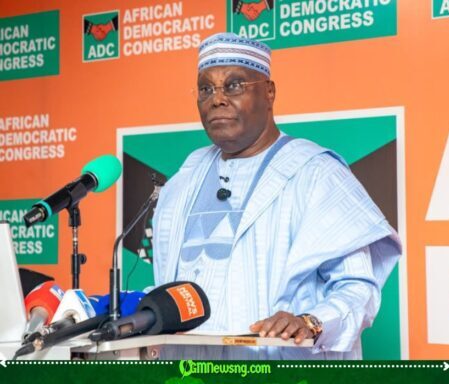

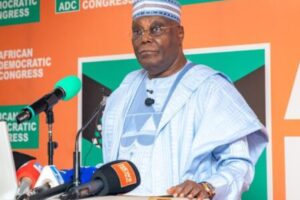


Jigawa ADC Defends Atiku’s Plan to Bring Back Petrol Subsidy. The fuel-subsidy debate has returned to Nigeria’s political stage, and the African Democratic Congress (ADC) in Jigawa State has wasted little time choosing its side. The party has backed its 2027 presidential candidate, Atiku Abubakar, over his pledge to restore petrol subsidy if elected, arguing that Nigerians need relief from the economic pressure that followed the 2023 removal of the subsidy.
In a statement signed by ADC Jigawa State Deputy Chairman, Ambassador Nuraddeen Jidawa, the party described Atiku’s proposal as timely and people-centred. Jidawa argued that the removal of the subsidy contributed to higher transportation, food and other living costs. The statement has now added a fresh political voice to what is already becoming one of the defining economic arguments of the 2027 campaign.
Jigawa ADC Backs Atiku’s Plan to Restore Fuel Subsidy
Atiku recently made the restoration of petrol subsidy a major part of his 2027 campaign pitch, questioning what happened to the savings generated after the policy was removed. Reports of his pledge have already triggered criticism from the Federal Government, which maintains that the subsidy reform created fiscal space and helped strengthen Nigeria’s economic position.
And here is where the political comedy begins: Nigeria appears to have entered a situation where the word “subsidy” refuses to retire. The government says removing it was necessary to prevent deeper economic problems, while Atiku and his supporters argue that ordinary Nigerians have not felt enough of the promised benefits. Recent government figures point to improved fiscal and macroeconomic indicators, but officials also acknowledge that household welfare remains a major challenge. (Reuters)
Jigawa ADC Says Nigerians Need Relief, Not More Economic Acrobatics
Jidawa’s argument is that Atiku’s proposed subsidy framework could provide targeted and accountable support while prioritising domestic fuel production. The Jigawa ADC leadership says such an approach could reduce waste and corruption while cushioning Nigerians from the effects of high transportation and food costs.
There is, however, a serious economic debate underneath the political theatre. The International Monetary Fund has acknowledged that Nigeria’s reforms have improved macroeconomic resilience while warning that many households continue to face difficult conditions. Its 2026 assessment also identifies higher food and transport costs as significant pressures on economic activity and household welfare. (IMF) The Federal Government, meanwhile, continues to defend the subsidy removal as a reform that created fiscal space, even as it accepts that translating those gains into better living standards remains unfinished business. (FM Information & National Orientation)
For now, the Jigawa ADC has firmly placed its political chips behind Atiku’s proposal, turning fuel subsidy into yet another major battleground ahead of 2027. Whether Nigerians eventually view subsidy restoration as economic salvation or an expensive trip back into an old policy maze remains a question for the campaign trail—and ultimately the voters. OGM News NG will continue to watch the promises, the numbers and the political fireworks as this subsidy saga develops.
Table of Contents
Discover more from OGM News NG
Subscribe to get the latest posts sent to your email.