

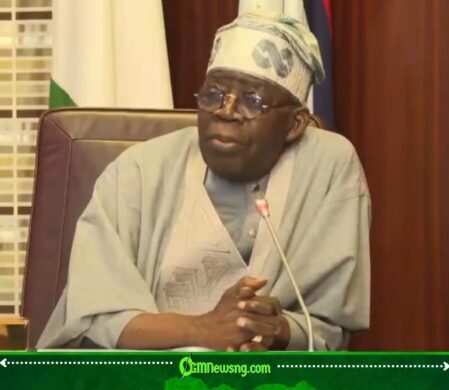
President Bola Tinubu’s poverty declaration has sparked a fresh national conversation after the president vowed that his administration will not accept widespread hardship as Nigeria’s destiny, promising renewed efforts to fight poverty, create prosperity and improve the welfare of citizens. The statement has placed the government’s economic agenda under renewed public attention, with supporters highlighting ongoing reforms while critics question how quickly ordinary Nigerians will feel the impact of those policies.
The president’s remarks come amid continued concerns over the cost of living, unemployment, food prices and economic pressures affecting millions of households. While the administration argues that its reforms are designed to rebuild the economy for long-term growth, many Nigerians are demanding immediate improvements in their daily experiences.
Tinubu’s Promise to Defeat Poverty
President Tinubu stated that poverty is not acceptable and that his government would continue working to reduce hardship while providing better opportunities and care for Nigerians. He emphasized that the fight against poverty requires deliberate policies aimed at expanding economic opportunities, strengthening social support systems and encouraging productivity.
The president’s position reflects a central message of his administration: that economic reforms, investment promotion and improved infrastructure are necessary steps toward creating a stronger economy. Government officials have repeatedly argued that measures introduced since Tinubu assumed office are aimed at attracting investment, increasing government revenue and creating a foundation for sustainable development.
However, the declaration has also attracted scrutiny from Nigerians who argue that economic transformation must be measured by real improvements in household income, employment opportunities and access to basic necessities. Critics say that while long-term reforms may be necessary, citizens facing immediate financial challenges require faster relief and stronger intervention.
Economic Reforms and Public Expectations
Tinubu’s poverty declaration comes against the backdrop of major economic changes introduced by his administration, including the removal of fuel subsidy payments, exchange rate reforms and efforts to attract local and foreign investment. The government has maintained that these difficult decisions are intended to correct structural problems in the economy and create conditions for future prosperity.
The administration has also introduced various intervention programmes aimed at supporting vulnerable citizens, businesses and workers affected by economic pressures. Supporters believe these measures, combined with increased investment and improved productivity, can help Nigeria achieve stronger economic growth over time.
Nevertheless, economists and policy analysts have continued to stress that poverty reduction requires more than economic growth figures. They argue that job creation, affordable education, healthcare access, food security and effective implementation of social programmes will determine whether prosperity reaches ordinary Nigerians.
As President Tinubu continues to push his economic agenda, the biggest challenge remains turning promises into visible improvements for millions of citizens. The fight against poverty will likely remain one of the defining issues of his administration, with Nigerians watching closely to see whether the commitment to prosperity produces lasting changes across the country.
Table of Contents
Discover more from OGM News NG
Subscribe to get the latest posts sent to your email.