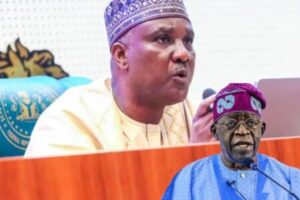









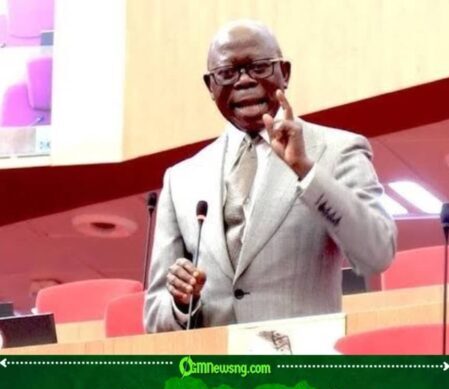
Reciprocity has become the centre of a fresh diplomatic debate after Senator Adams Oshiomhole argued that the Nigerian government should appropriate the profits of South African companies operating in Nigeria and use the funds to compensate Nigerians who suffered losses during xenophobic attacks in South Africa. The proposal, made during Senate deliberations, has sparked widespread discussion about whether stronger economic measures are justified after years of repeated attacks on Nigerians and recurring complaints over inadequate compensation. While the remarks have attracted support from those demanding a firmer national response, they have also reignited concerns about the potential consequences for investment, diplomacy and regional cooperation.
Nigeria-South Africa Tensions Rise as Calls for Reciprocity Measures To Intensify
Senator Oshiomhole made the proposal while reacting to concerns surrounding the treatment of Nigerians and Nigerian-owned businesses in South Africa. According to his argument, if Nigerian citizens continue to face attacks, business losses and restrictions without meaningful compensation, Nigeria should respond through reciprocal economic measures rather than relying solely on diplomatic protests. He maintained that protecting Nigerian lives and investments should receive greater priority than preserving foreign commercial interests.
The comments are consistent with several earlier positions taken by the senator during recent Senate discussions on renewed xenophobic incidents. In previous debates, he had advocated stronger sanctions against certain South African business interests in Nigeria, arguing that repeated diplomatic engagement had not sufficiently discouraged attacks on Nigerians living or operating businesses abroad. His latest proposal expands that argument by suggesting compensation for victims through the appropriation of profits earned within Nigeria.
South African Firms Could Become the Price of Nigeria’s Reciprocity Frustration Over Xenophobia
The wider controversy stems from renewed reports of xenophobic violence targeting foreign nationals in South Africa, including Nigerians. Recent political discussions intensified after South African officials indicated that compensation could be limited by domestic legal requirements governing property ownership and registration, a position that drew criticism from several Nigerian lawmakers. Oshiomhole’s latest remarks were delivered against that backdrop, reflecting growing frustration among some Nigerian politicians over what they view as insufficient accountability and protection for affected citizens.
Despite the strong rhetoric, the Nigerian Senate ultimately stopped short of endorsing the proposal to seize or nationalise South African business interests. Instead, lawmakers resolved to pursue diplomatic engagement, stronger consular support for Nigerians in South Africa, legal accountability for perpetrators of attacks, and continued discussions with South African authorities regarding the safety and rights of Nigerians. That outcome highlights the delicate balance between public demands for decisive action and the need to preserve economic stability and bilateral relations between two of Africa’s largest economies.
The debate is unlikely to end soon. Oshiomhole’s proposal has placed Reciprocity at the centre of Nigeria’s conversation on Xenophobia, forcing policymakers, businesses and citizens alike to weigh the costs of stronger retaliation against the long-term value of diplomacy. OGM News Nigeria will continue monitoring official responses from both governments, as well as any developments affecting Nigerians, South African investments and future diplomatic negotiations.
Table of Contents
Discover more from OGM News NG
Subscribe to get the latest posts sent to your email.