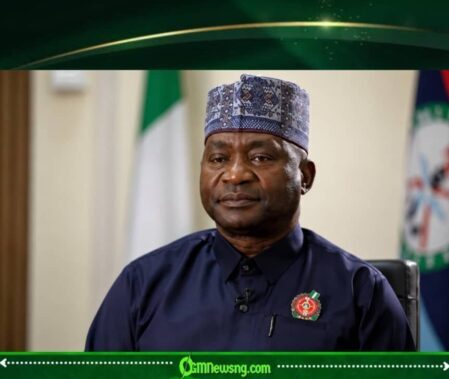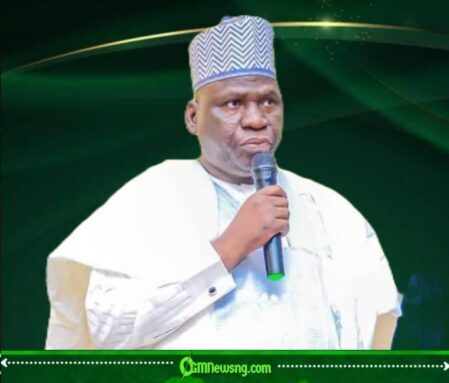




Tinubu has once again become the focal point of Nigeria’s political debate after former Labour Party presidential candidate Peter Obi renewed his call for President Bola Tinubu to resign, alleging that the administration is presiding over “grand corruption” following claims linked to an International Monetary Fund (IMF) consultation report. The accusation centres on an alleged N8.83 trillion in expenditure that Obi said was not reflected in the 2025 federal budget, raising questions over transparency, legislative oversight and public accountability. While the claims have intensified political tensions, the controversy also highlights the importance of distinguishing between political allegations and independently verified findings, as public scrutiny shifts toward the government’s response.
Tinubu Faces Renewed Scrutiny Over Obi’s Allegations
Peter Obi made the allegations in a statement published on his verified X account under the title “Grand Corruption: Nigeria’s Greatest Threat,” arguing that the reported N8.83 trillion expenditure fell outside the approved 2025 budget and therefore escaped both legislative oversight and normal administrative scrutiny. According to Obi, the amount represents roughly two per cent of Nigeria’s Gross Domestic Product (GDP), exceeds 35 per cent of the country’s N23.96 trillion capital expenditure allocation for 2025, and is larger than the combined federal budgets for education and health. He argued that, if transparently managed, such resources could have transformed public healthcare, expanded educational opportunities and stimulated employment through investments in cottage industries.
The former Anambra State governor further claimed that the alleged spending reflects a broader pattern of financial mismanagement rather than an isolated occurrence. Describing the All Progressives Congress (APC)-led administration as corrupt, incompetent and insensitive, Obi maintained that continued disregard for public finance management principles threatens economic stability, weakens public institutions and undermines national security. Reaffirming an earlier demand that President Bola Tinubu should resign, Obi argued that recent developments reinforced his belief that the administration has failed to deliver on its promises or adequately address Nigeria’s worsening economic and social challenges.
IMF Report, Budget Transparency and the Wider Questions
The controversy stems from the IMF’s Article IV consultation process, an annual assessment through which the Fund reviews the economic performance, fiscal position and policy direction of member countries. Such reports often identify fiscal risks, off-budget operations and weaknesses in public financial management, but they do not in themselves constitute judicial findings of corruption or criminal wrongdoing. Consequently, while Obi’s interpretation has generated widespread political attention, determining whether any expenditure violated Nigerian financial regulations ultimately depends on official government explanations, legislative examination and, where necessary, independent audit or investigative processes.
The renewed debate also reflects longstanding concerns among economists and governance experts over fiscal transparency in Nigeria. Public finance specialists have repeatedly argued that comprehensive budget disclosure, stronger parliamentary oversight and timely publication of government financial records are essential for maintaining investor confidence and public trust. With inflation, rising debt servicing costs and pressure on social spending already dominating national economic discussions, allegations involving trillions of naira are likely to intensify demands for detailed clarification from the Federal Government. Observers note that, regardless of political affiliation, controversies of this magnitude underscore the importance of transparent governance, particularly when citizens continue to grapple with high living costs and constrained public services.
As the political exchanges continue, attention is expected to focus on whether the Federal Government provides a comprehensive response to Obi’s allegations and clarifies the issues raised concerning the reported expenditure. For readers, the Tinubu controversy serves as another reminder that major political claims deserve careful scrutiny, documentary evidence and institutional verification. OGM News will continue monitoring official responses, legislative developments and any further clarification from the IMF or relevant Nigerian authorities as the story evolves.
Table of Contents
Discover more from OGM News NG
Subscribe to get the latest posts sent to your email.