






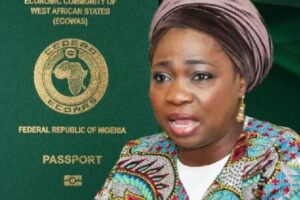



FAAC Allocation has become the latest battleground in Nigeria’s debate over economic reforms, governance, and accountability. The Presidency, through Special Adviser on Information and Strategy Bayo Onanuga, argues that state governments now possess significantly greater financial resources for infrastructure and development than they did before President Bola Tinubu’s reforms. The claim has sparked renewed discussion about whether increased government revenues are translating into tangible improvements in citizens’ lives—or simply creating new questions about how public funds are spent.
FAAC Allocation: Development Funds Rise as Revenue Sharing Improves Under Tinubu
Bayo Onanuga’s remarks center on the argument that economic reforms undertaken by President Bola Tinubu, particularly the removal of the fuel subsidy and adjustments affecting government revenue flows, have increased the amount of money available for distribution to states through the Federation Account Allocation Committee (FAAC). According to the Presidency, these higher allocations have strengthened the capacity of state governments to fund development projects and reduce dependence on borrowing for certain infrastructure initiatives.
The Presidency has pointed to visible projects in parts of the country as evidence that the additional resources are being utilized. Onanuga recently argued that increased federal allocations have enabled some states to execute major projects that might previously have required loans or external financing. The administration’s broader position is that difficult economic reforms are beginning to generate fiscal benefits for governments at multiple levels.
Subsidy Removal Enriched State Treasuries, But Has It Changed Lives?
The debate over Development Funds extends beyond state allocations and into the wider question of whether economic reforms are producing measurable benefits for ordinary Nigerians. The Tinubu administration maintains that subsidy removal and related fiscal measures have improved public finances, increased investor confidence, and created more room for capital spending. Recent federal budgets have also emphasized infrastructure and capital expenditure, with large portions dedicated to development projects across the country.
Yet critics argue that increased allocations alone do not automatically guarantee development outcomes. Many Nigerians continue to face high living costs, inflationary pressures, and economic hardship linked to reforms that supporters describe as necessary but painful. Public discussions increasingly focus on whether governors are converting higher revenues into better roads, schools, hospitals, water systems, and electricity infrastructure. The emerging political reality is that larger state allocations may also bring greater public expectations and scrutiny regarding transparency, efficiency, and project delivery.
The coming months may determine whether the Presidency’s argument gains wider acceptance. If citizens see more completed projects and improved public services, supporters will likely cite FAAC Allocation increases as evidence that the reforms are working. If visible improvements fail to match rising revenues, attention may shift from how much money states receive to how effectively that money is spent. OGM News Nigeria will continue monitoring the relationship between FAAC Allocation, Development Funds, and the real-world impact of government spending on communities across the country.
Table of Contents
Discover more from OGM News NG
Subscribe to get the latest posts sent to your email.